 Business License

Introduction of environmental conditions for the application of electric vehicle charging cables
With the popularization of electric vehicles and the increase in demand, the construction of charging facilities has become more and more important. And charging cables, as an important part of connecting electric vehicles and charging piles, have an important impact on their performance and safety due to their application environmental conditions. This paper will introduce the application environmental conditions of electric vehicle charging cables to help people better understand and select suitable charging cables.
1. Temperature range:
Electric vehicle charging cables need to be able to work properly under different temperature conditions. In general, charging cables should have a wide operating temperature range and be able to adapt to extreme high and low temperatures. This is because during the charging process, the cable may be affected by the external ambient temperature, such as high temperature in summer or cold in winter. Therefore, the charging cable should have good temperature resistance to ensure that it can work properly under various climatic conditions.
2. Waterproof and dustproof performance:
As charging facilities are often set up in outdoor or semi-outdoor environments, charging cables need to have good waterproof and dustproof performance. This is to protect the conductors and connectors inside the cable from moisture, rain or dust, thus ensuring the safety and reliability of the charging process. As a result, charging cables are often designed with waterproof seals and dustproof materials to provide good protection.
3. Chemical resistance:
The charging cable may come into contact with various chemical substances, such as acid, alkali, oil, etc., in the course of use. Therefore, charging cables need to have a certain chemical resistance to prevent chemical corrosion and damage to cable materials. Common chemical corrosion-resistant materials include special insulation materials and sheath materials, which can effectively protect the internal structure of the cable.
4. Tensile strength:
Charging cables need to have a certain tensile strength to withstand tensile and external forces. During the charging process, the cable may be subject to pulling, bending and other forces, so it needs to have sufficient tensile strength to prevent the cable from breaking or damage. Typically, charging cables are constructed with high-strength conductor and jacket materials to provide good tensile properties.
5. Abrasion resistance:
Since the charging cable may rub against the ground, walls and other objects during use, it needs to have certain abrasion resistance. Abrasion resistance protects the surface of the cable from abrasion and scratches and extends the life of the cable. Generally, charging cables are designed with abrasion-resistant sheath materials and structures to provide good abrasion resistance.
As an excellent technology provider for new energy charging applications, OMG' understands that the environmental conditions in which electric vehicle charging cables are applied are critical to their performance and safety. Therefore, OMG' will provide customers with the most suitable charging solutions according to the temperature, waterproof and dustproof requirements, chemical corrosion, tensile strength and abrasion resistance of the actual use environment to ensure the safety, efficiency and reliability of the charging process.
Recently Posted
-
"Small wire diameter, high current"|OMG'European standard oil-cooled charging
December 13, 2024With the rapid development and popularization of electric vehicles, oil-cooled charging cables have attracted much attention as an Read More
 -
More lightweight design|UL certified charging cable
December 13, 2024OMG'UL certified charging cables include conventional products and the new NACS series of off-standard nylon constructions, wi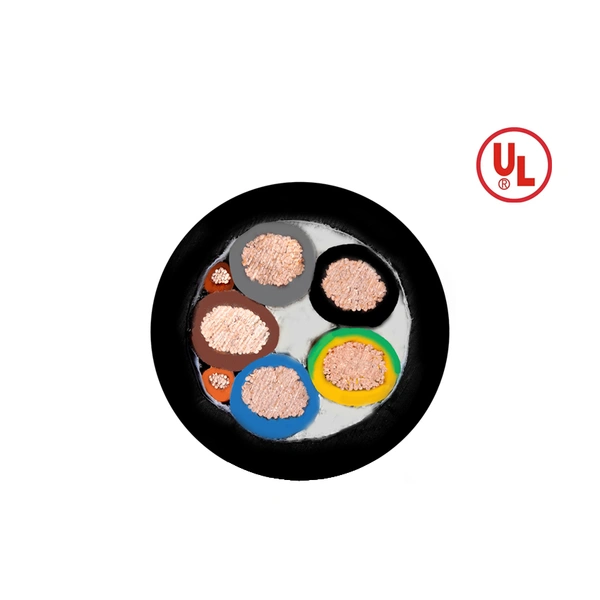 Read More
 -
Understanding the European Standard Charging Cable Designation
December 13, 2024Electric vehicle charging equipment needs to have industry standards for its safety and reliability to do constraints and guarante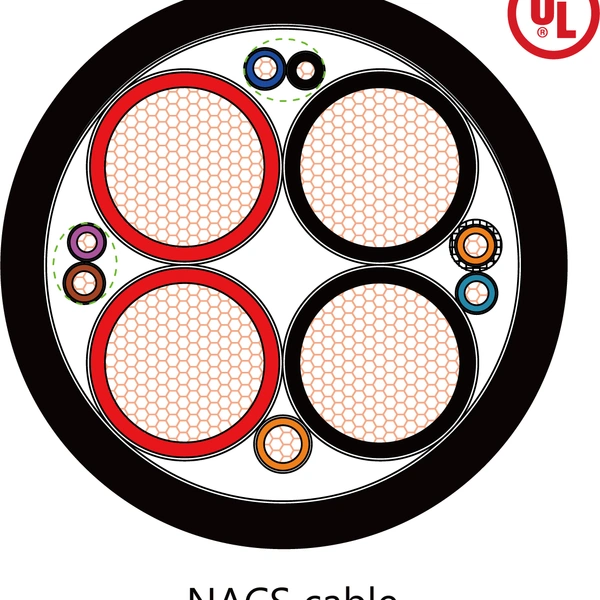 Read More
 -
What do we need to do to ensure charging safety when charging electric vehicles?
December 13, 2024The charging safety of electric vehicles has always been concerned by the market, the following is to focus on charging safety fro Read More

Contact Us
Recommended Products
-
 1500V DC Oil-cooled EV Charging Cable - IEC 62893-4-2 StandardNegotiableMOQ: 300 Meters
 -
Water-Cooled High Power Charging (HPC) Cable 700A 1500V DC for EV Fast ChargingNegotiableMOQ: 300 Meters
-
UL 2263 EV Charging Cable | Flexible TPE/PVC Electric Vehicle CableNegotiableMOQ: 300 Meters
-
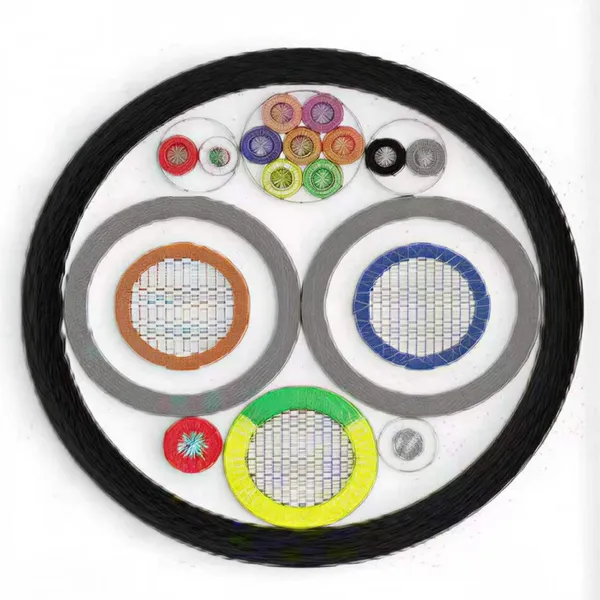
IEC 62893 High Power 1500V DC EV Charging Cable for Fast ChargersNegotiableMOQ: 300 Meters
-
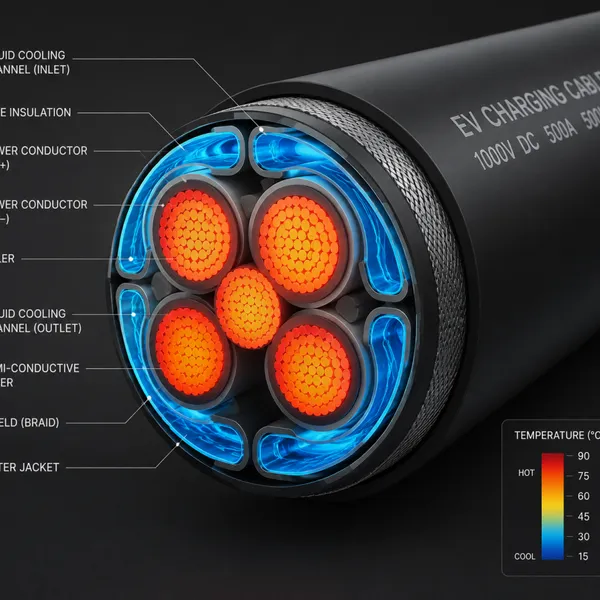
1500V DC EV Charging Cable - IEC 62893 Compliant | OMG EV CABLENegotiableMOQ: 300 Meters
-
OMG EV CABLE (IEC 62893) 450/750V AC Electric Vehicle Charging Cable (62893IEC121 62893IEC123)NegotiableMOQ: 300 Meters
-
OMG' EV Charging Cable 1000V EN 50620 H07BZ5-F for Electric Vehicle Charging ConnectorNegotiableMOQ: 300 Meters
-
EN 50620 EV Charging Cable 450/750V H07BZ5-F for Electric Vehicle Charging ConnectorNegotiableMOQ: 50 Meters
-
OMG ' Multi-Core Shielded EV High Voltage Cable for New Energy Vehicles XLPE InsulatedNegotiableMOQ: 300 Meters
-
OMG EV High Voltage Cable UL758 XLPE Insulated Shielded Wire for Electric VehiclesNegotiableMOQ: 300 Meters
-
UL EV Charging Cable(Suitable for NACS、CCS1)NegotiableMOQ: 50 Meters
-
AC1500V HV Flexible CableNegotiableMOQ: 50 Meters
-
QC/T1073 Multi-core Shielded High-voltage CableNegotiableMOQ: 50 Meters
-
QC/T1073 EV High-voltage CableNegotiableMOQ: 50 Meters
-
Liquid-cooled HV CableNegotiableMOQ: 50 Meters