 Business License

Comparing Copper and Aluminum Cores in High Voltage Cables for Electric Vehicles
Electric vehicle high voltage cables are an important part of electric vehicles, which are responsible for transferring electrical energy from the power source to the electric motor to drive the vehicle. In high-voltage cables, copper and aluminum cores are common conductor materials. In this paper, we will compare the characteristics of copper and aluminum cores in electric vehicle high-voltage cables and introduce their application scenarios.
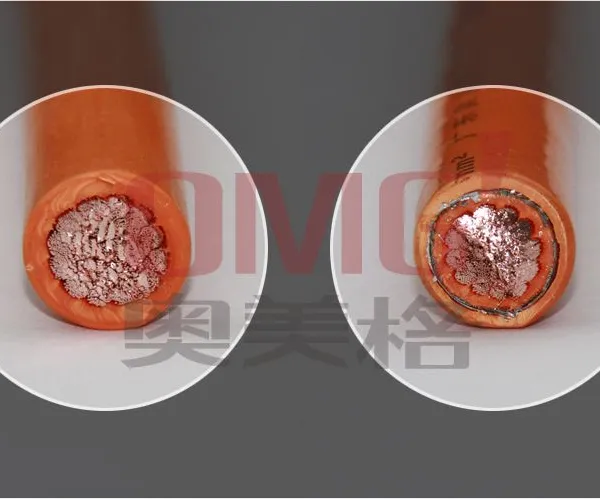
First of all, copper core is the traditional conductor material for high-voltage cables, with good electrical conductivity and thermal stability. In contrast, aluminum core is slightly less conductive than copper core, but its density is light and its price is relatively low. This makes aluminum core more competitive in some application scenarios.
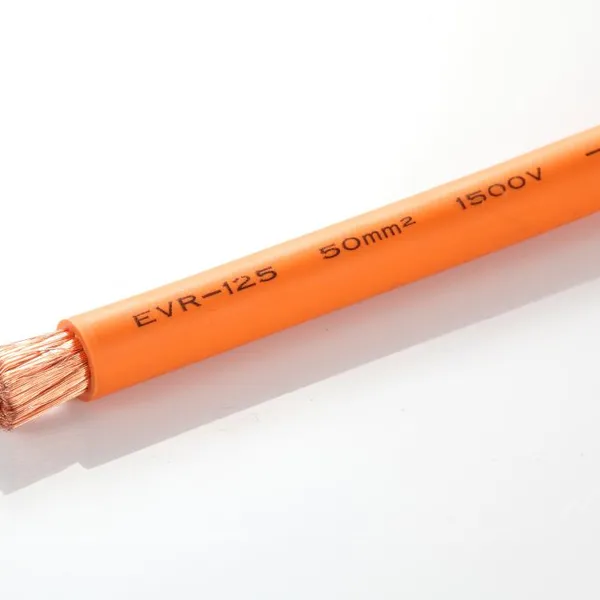
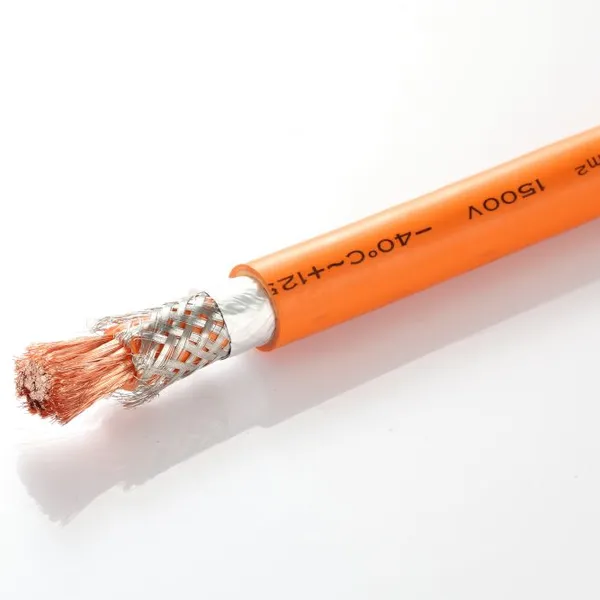
Copper core high voltage cables are widely used in the field of electric vehicles. Copper core has low resistance and high conductivity, and can withstand large current loads, thus meeting the demand for high power transmission in electric vehicles. In addition, copper core also has high heat resistance, can maintain good conductivity in high temperature environment, to ensure the stability of power transmission.
However, aluminum-cored high-voltage cables are also gradually being used in electric vehicles. The lighter weight and lower cost of aluminum cores compared to copper cores make aluminum-cored high-voltage cables a viable option in some light-duty electric vehicles. In addition, aluminum cores have good corrosion resistance and can be used in humid environments.
Overall, copper and aluminum cores have their own advantages in high-voltage cables for electric vehicles. Copper cores are suitable for scenarios requiring high power transmission and higher heat resistance, while aluminum cores are suitable for lightweight electric vehicles and cost-sensitive application scenarios. Choosing the right material can maximize the working requirements of electric vehicles based on practical needs and economic considerations. Most importantly, whichever conductor material is chosen should meet safety standards in order to ensure stable and reliable power transmission for electric vehicles.
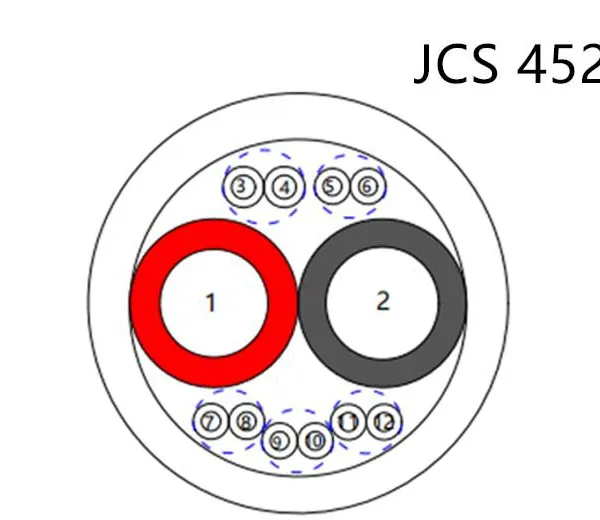
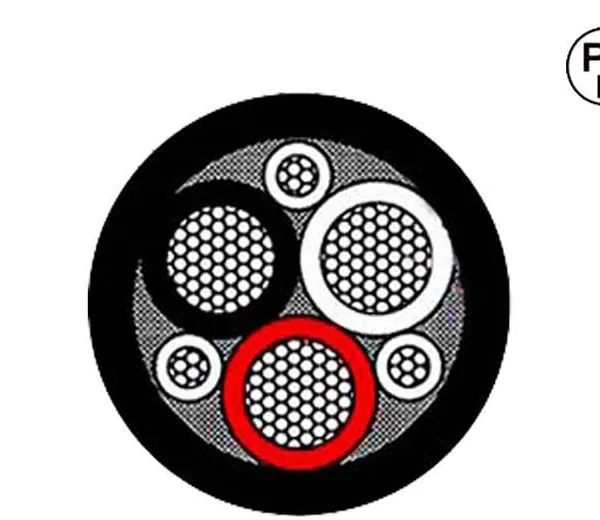
OMG', as a deep-rooted enterprise in the field of electric vehicle cables, is committed to providing first-class and professional electric vehicle cable solutions for global customers.OMG' has passed the ISO 9001:2015 and IATF 16949:2016 system certifications, and its in-vehicle high-voltage cable products are implemented with the international standards such as ISO6722-1, ISO6722-2, ISO14572, LV216, ISO19642, UL758 (UL3820UL30088) and other international standards, and also widely produces Chinese standard products mainly based on QC/T1037. On this basis, we have also introduced the enterprise standard which is higher than the industry standard and upgraded to the local standard of Guangdong Province, with the standard number of DB44/T 2100-2018.The conductor materials are bare copper, tinned copper and aluminum alloy and other various conductor types. Customers can determine the selection of high-voltage cables according to their own needs. First of all, you need to determine the standard used, and secondly, you need to determine how much current is used in the application to determine the specification model. OMG's engineers can be contacted to help you make a more effective selection of high voltage cables for electric vehicles:Leo@omgevcable.com
Recently Posted
-
"Small wire diameter, high current"|OMG'European standard oil-cooled charging
December 13, 2024With the rapid development and popularization of electric vehicles, oil-cooled charging cables have attracted much attention as an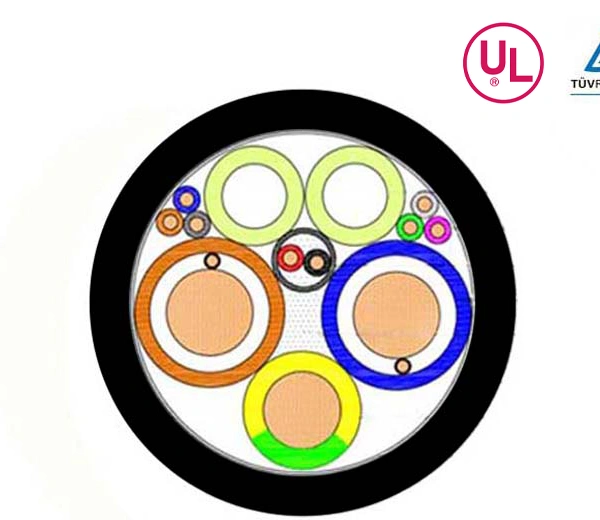 Read More
 -
More lightweight design|UL certified charging cable
December 13, 2024OMG'UL certified charging cables include conventional products and the new NACS series of off-standard nylon constructions, wi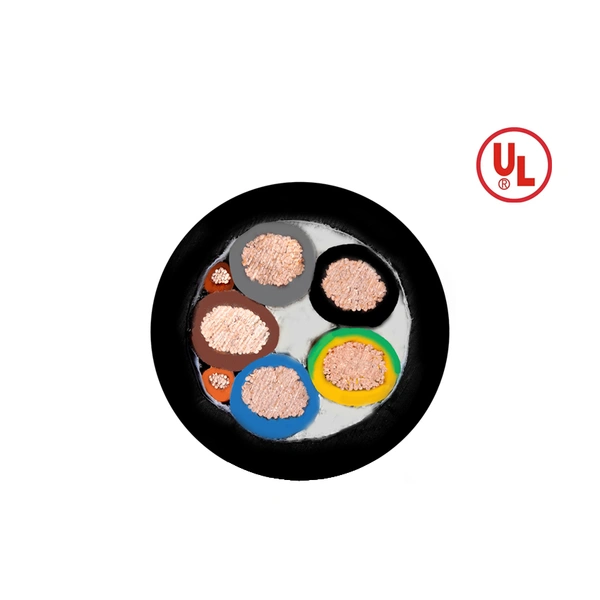 Read More
 -
Understanding the European Standard Charging Cable Designation
December 13, 2024Electric vehicle charging equipment needs to have industry standards for its safety and reliability to do constraints and guarante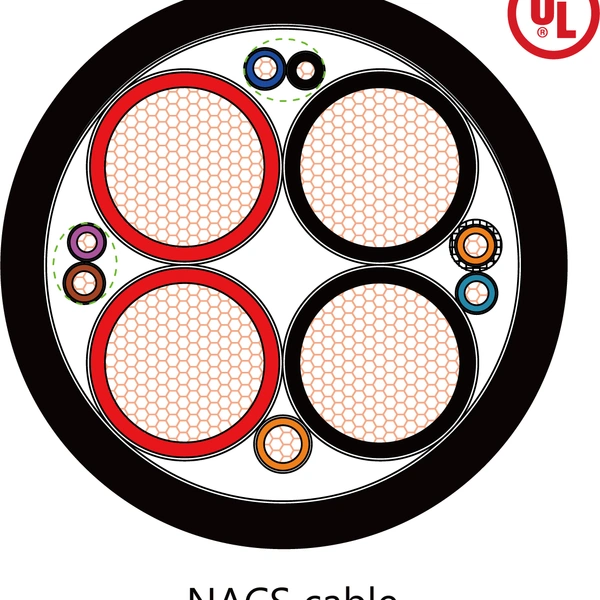 Read More
 -
What do we need to do to ensure charging safety when charging electric vehicles?
December 13, 2024The charging safety of electric vehicles has always been concerned by the market, the following is to focus on charging safety fro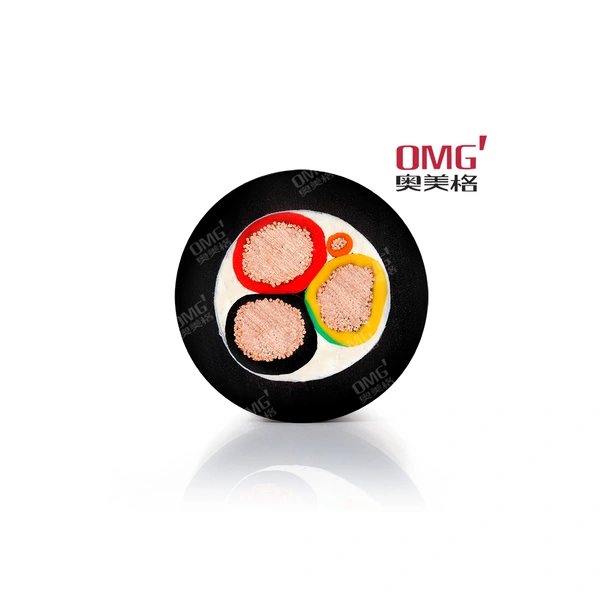 Read More

Contact Us
Recommended Products
-
 1500V DC Oil-cooled EV Charging Cable - IEC 62893-4-2 StandardNegotiableMOQ: 300 Meters
 -
Water-Cooled High Power Charging (HPC) Cable 700A 1500V DC for EV Fast ChargingNegotiableMOQ: 300 Meters
-
UL 2263 EV Charging Cable | Flexible TPE/PVC Electric Vehicle CableNegotiableMOQ: 300 Meters
-
IEC 62893 High Power 1500V DC EV Charging Cable for Fast ChargersNegotiableMOQ: 300 Meters
-
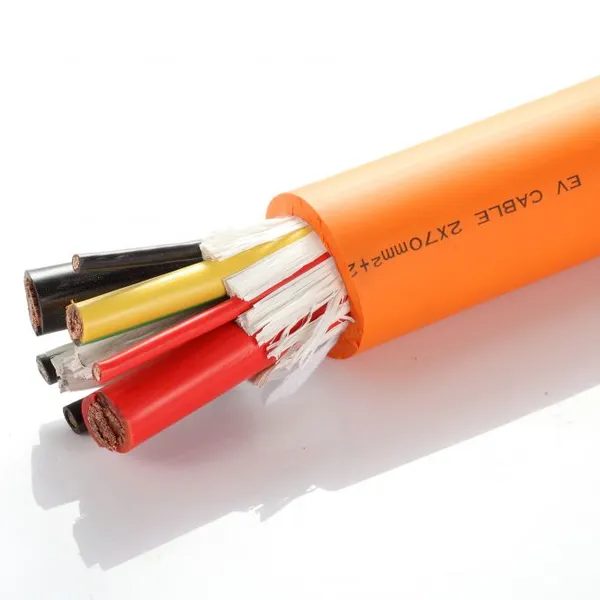
1500V DC EV Charging Cable - IEC 62893 Compliant | OMG EV CABLENegotiableMOQ: 300 Meters
-
OMG EV CABLE (IEC 62893) 450/750V AC Electric Vehicle Charging Cable (62893IEC121 62893IEC123)NegotiableMOQ: 300 Meters
-
OMG' EV Charging Cable 1000V EN 50620 H07BZ5-F for Electric Vehicle Charging ConnectorNegotiableMOQ: 300 Meters
-
EN 50620 EV Charging Cable 450/750V H07BZ5-F for Electric Vehicle Charging ConnectorNegotiableMOQ: 50 Meters
-
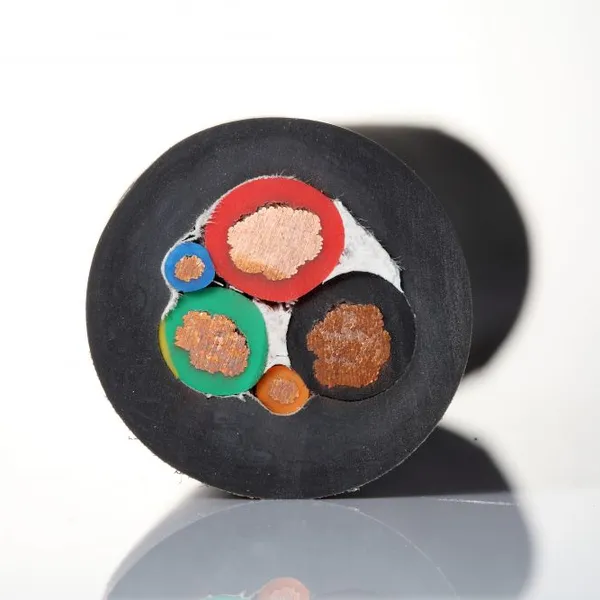
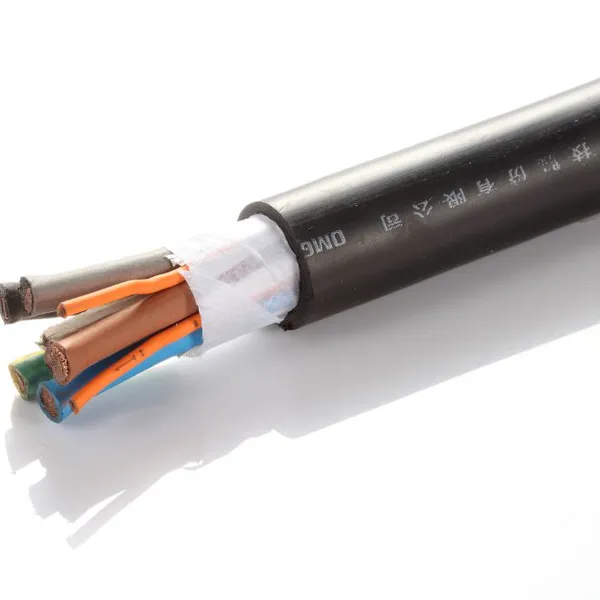
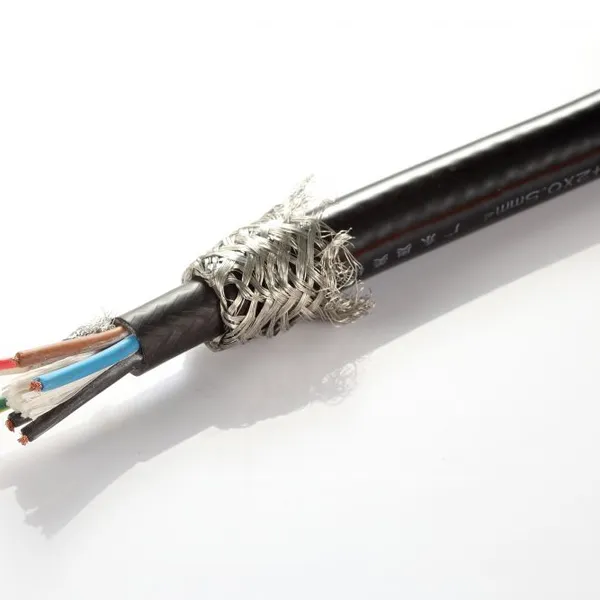
OMG ' Multi-Core Shielded EV High Voltage Cable for New Energy Vehicles XLPE InsulatedNegotiableMOQ: 300 Meters
-
OMG EV High Voltage Cable UL758 XLPE Insulated Shielded Wire for Electric VehiclesNegotiableMOQ: 300 Meters
-
UL EV Charging Cable(Suitable for NACS、CCS1)NegotiableMOQ: 50 Meters
-
AC1500V HV Flexible CableNegotiableMOQ: 50 Meters
-
QC/T1073 Multi-core Shielded High-voltage CableNegotiableMOQ: 50 Meters
-
QC/T1073 EV High-voltage CableNegotiableMOQ: 50 Meters
-
Liquid-cooled HV CableNegotiableMOQ: 50 Meters