 Business License

The difference between single-core and multi-core high voltage cables
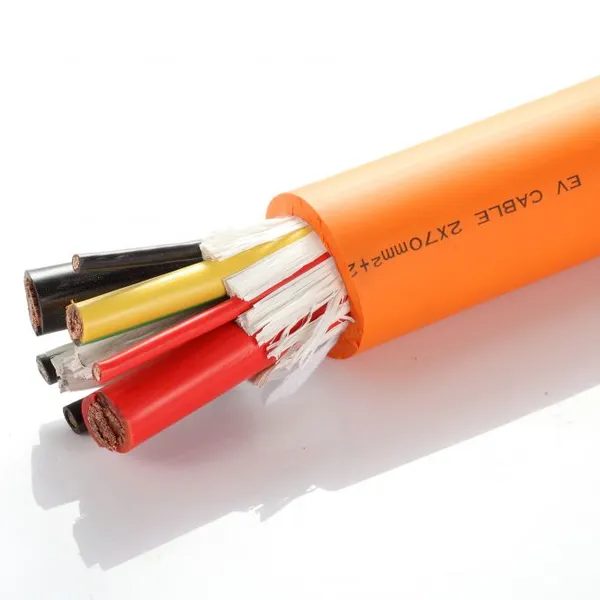
Electric vehicle high voltage cable is an important part of electric vehicle, which is responsible for transmitting high voltage electrical energy for the power system of electric vehicle. High-voltage cables can be categorized into single-core and multi-core types according to the structure of the conductor, which are used in different practical scenarios.
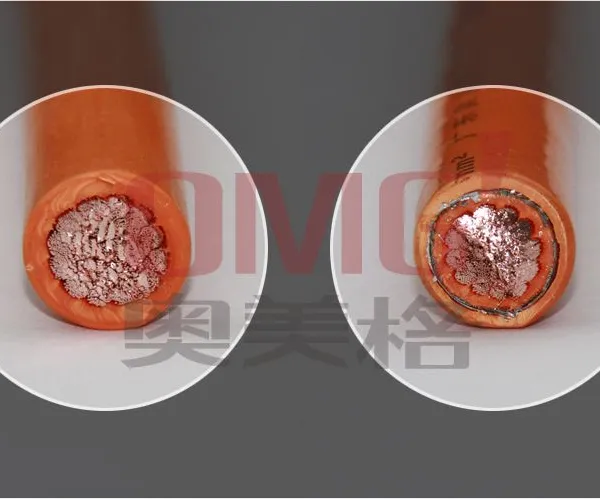
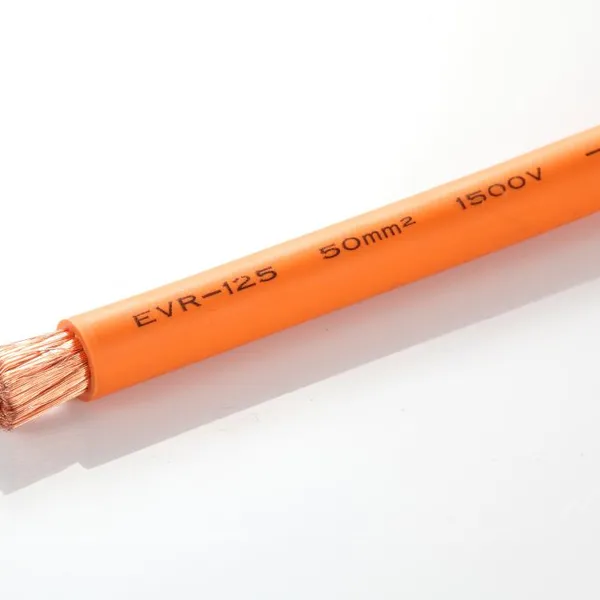
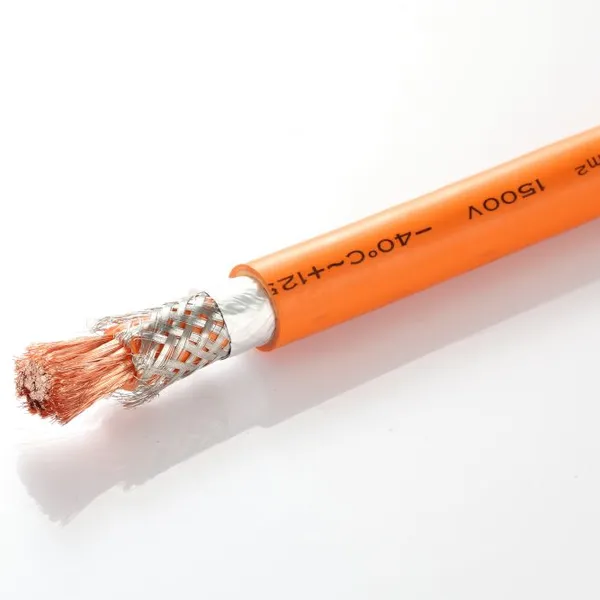
First of all, single-core high-voltage cables consist of a single conductor whose exterior is wrapped in insulating material. This construction allows single-core cables to have high voltage resistance and transmission capacity. Single-core cables are suitable for scenarios where high voltages and currents need to be transmitted, such as the connection of battery packs to electric motors in electric vehicles. Since single-core cables have only one conductor, they are relatively simple to construct and less expensive to manufacture.
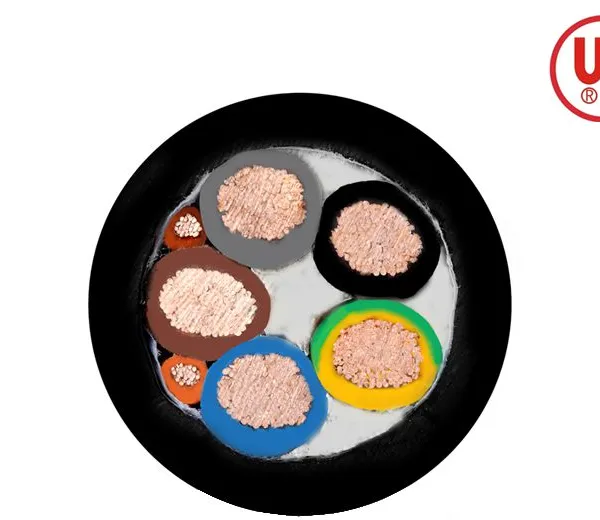
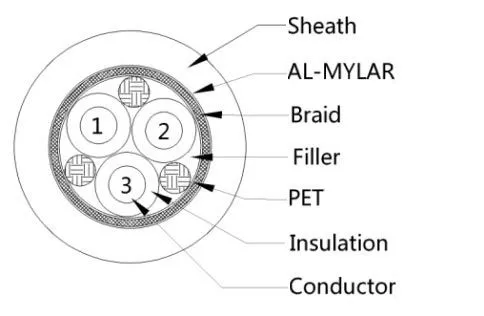
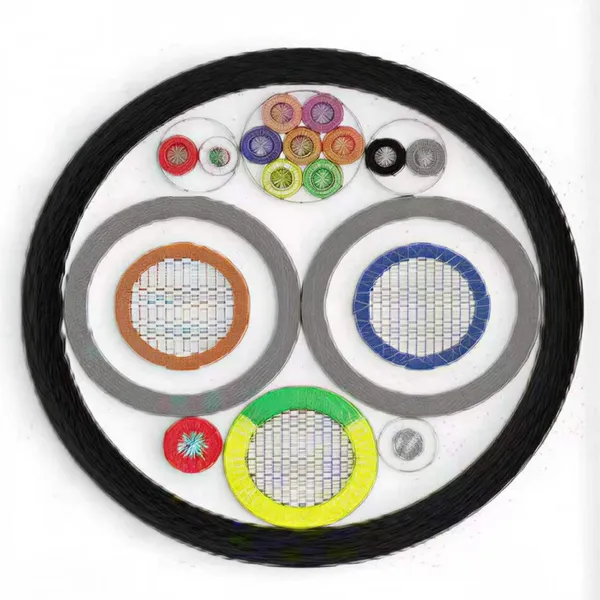
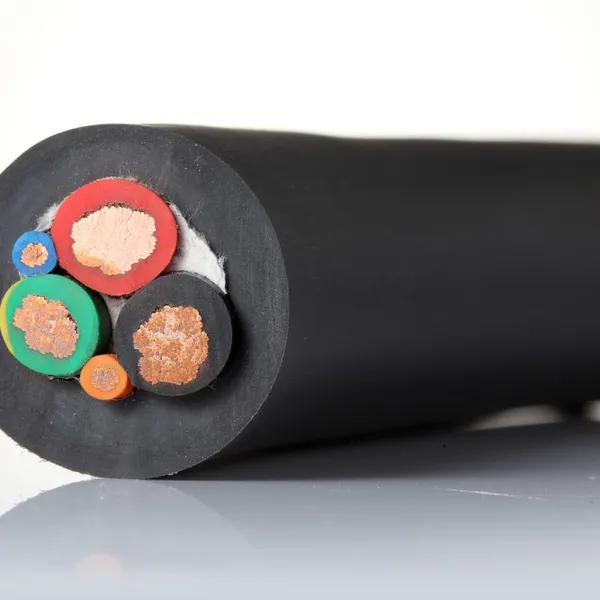
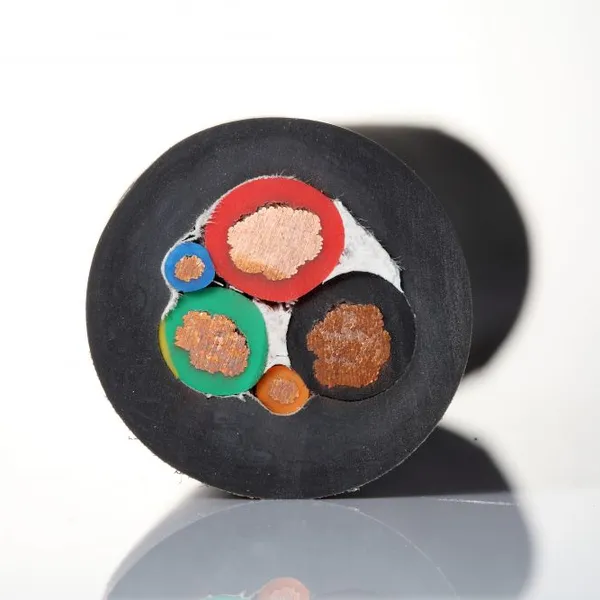
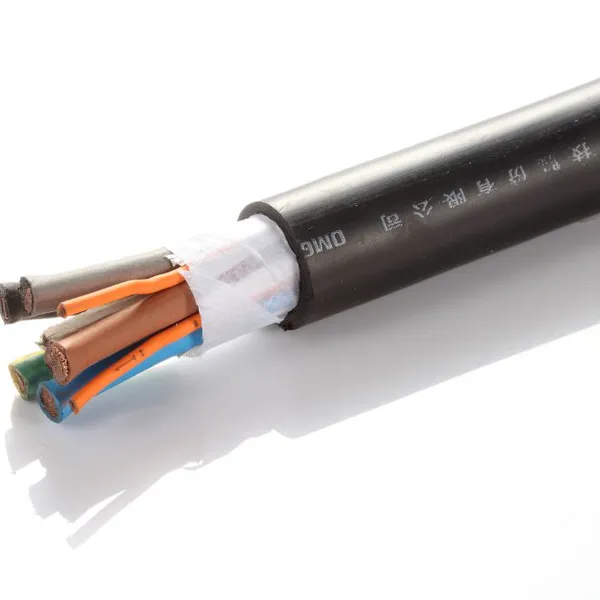
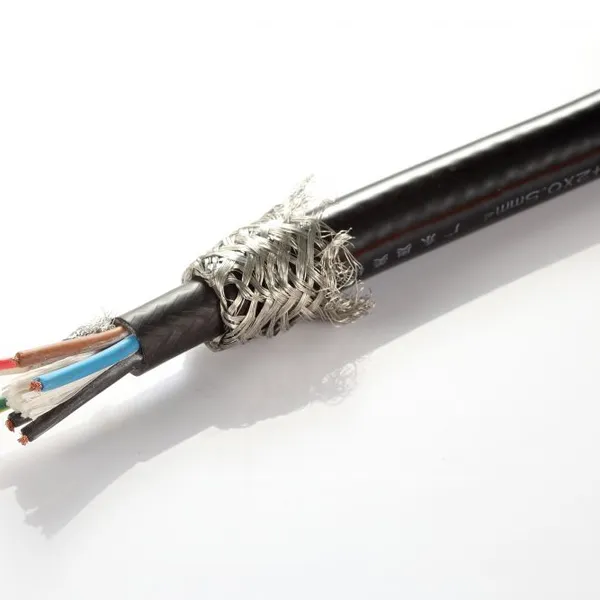
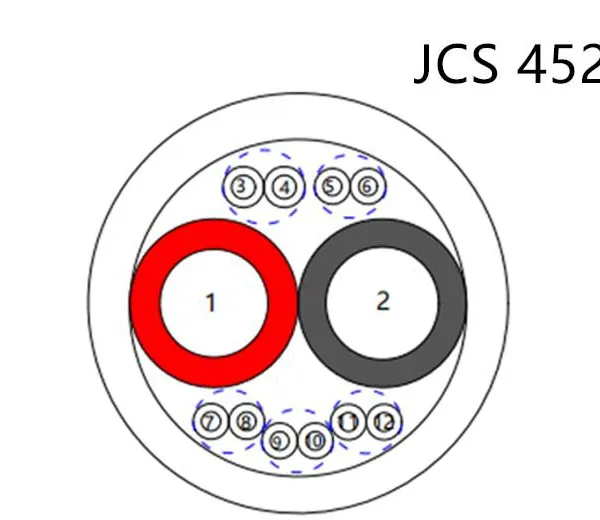
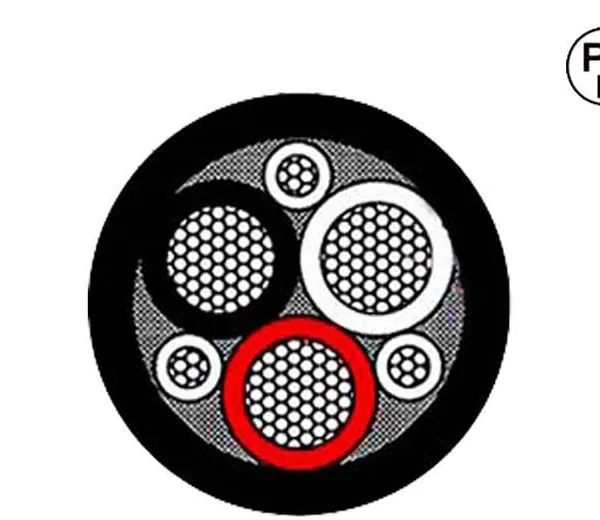
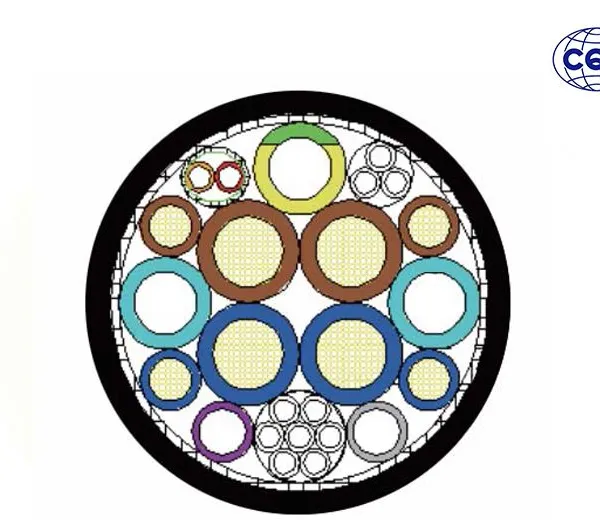
Multi-core high voltage cables, on the other hand, consist of multiple conductors, each of which is separated by an insulating material. Multi-core cables are suitable for scenarios where multiple signals or powers need to be transmitted, such as control systems and auxiliary circuits in electric vehicles. The advantage of multi-core cables is that multiple signals or powers can be transmitted simultaneously through a single cable, simplifying electrical wiring and reducing space requirements.
In electric vehicle applications, single-core high-voltage cables are mainly used for transmitting the main power signals of electric vehicles, such as high-voltage DC energy, which transfers electrical energy from the battery pack to the electric motor to drive the vehicle. Due to their high voltage resistance and transmission capacity, single-core cables are able to meet the high power requirements of electric vehicles.
Multi-core high voltage cables are mainly used for transmitting control signals of electric vehicles, such as instrument panel display, electric seat control, window control, etc.. Multi-core cables can transmit multiple signals at the same time to meet the demand for multi-functional control of electric vehicles.
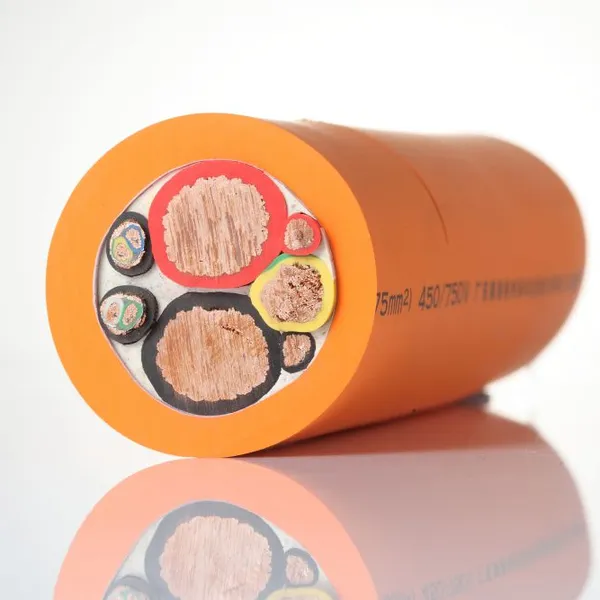
In addition to the above application scenarios, single-core and multi-core high-voltage cables can also be used in combination according to specific needs. For example, in the connection from the battery pack to the control system of certain electric vehicles, a combination cable that transmits both high voltage and control signals will be used to meet the needs of different signals.
To summarize, the difference between single-core and multi-core high voltage cables for electric vehicles lies in the conductor structure and application scenarios. Single-core cables are suitable for transmitting power signals with high voltage and high current, while multi-core cables are suitable for transmitting control signals with multiple signals or powers. In practical application, the two types of cables can be flexibly combined according to specific needs to meet the various electrical connection requirements of electric vehicles.
As a global first-class charging application technology provider, OMG' provides electric vehicle charging cables and high-voltage cable solutions based on customers' specific needs with decades of industry experience and advanced cable research and development technology.OMG' has a wide range of cables, which are in compliance with international standards such as LV 216, ISO 19642, UL 758, etc., as well as a wide range of Chinese standard products, which are based on QC/T 1037; all the products have passed performance testing and are delivered to customers to ensure safety and reliability. All of our products are delivered to customers after passing the performance test, which guarantees the safety and reliability of the cables. Please contact our cable designers for more customization ideas or specifications:Leo@omgevcable.com
Recently Posted
-
"Small wire diameter, high current"|OMG'European standard oil-cooled charging
December 13, 2024With the rapid development and popularization of electric vehicles, oil-cooled charging cables have attracted much attention as an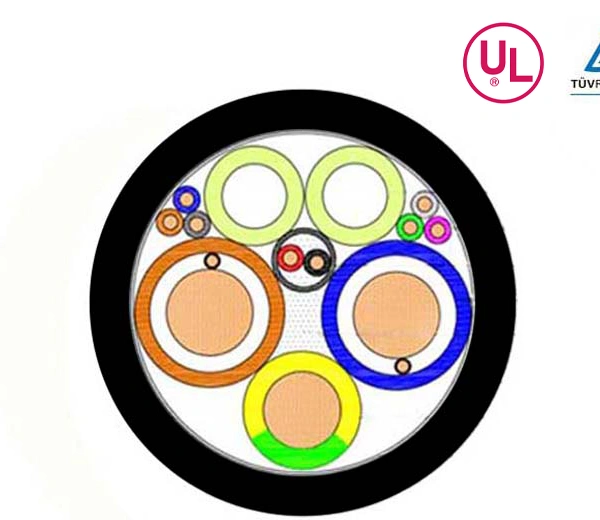 Read More
 -
More lightweight design|UL certified charging cable
December 13, 2024OMG'UL certified charging cables include conventional products and the new NACS series of off-standard nylon constructions, wi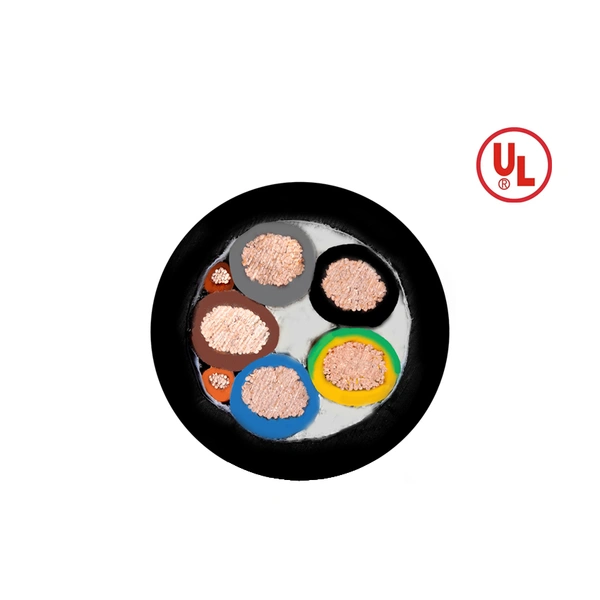 Read More
 -
Understanding the European Standard Charging Cable Designation
December 13, 2024Electric vehicle charging equipment needs to have industry standards for its safety and reliability to do constraints and guarante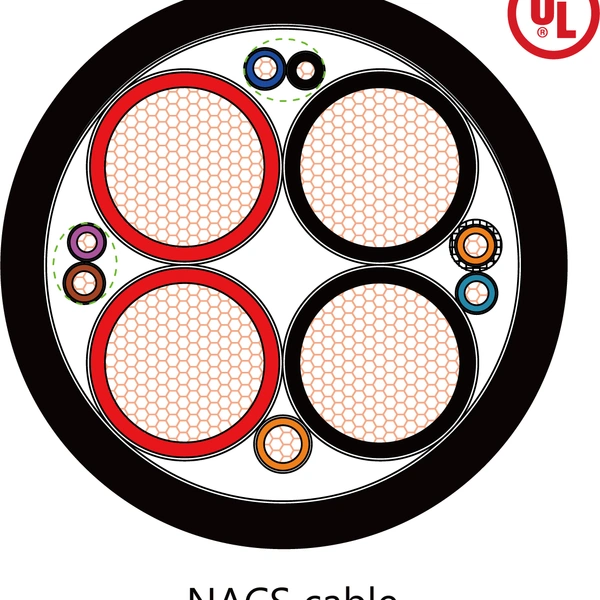 Read More
 -
What do we need to do to ensure charging safety when charging electric vehicles?
December 13, 2024The charging safety of electric vehicles has always been concerned by the market, the following is to focus on charging safety fro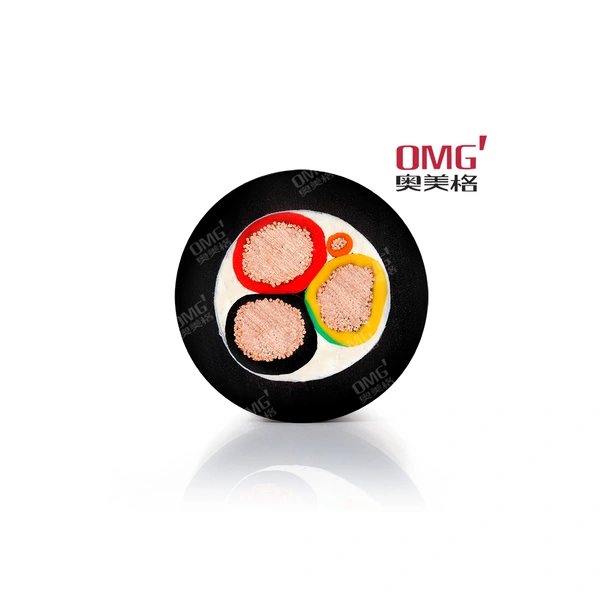 Read More

Contact Us
Recommended Products
-
 1500V DC Oil-cooled EV Charging Cable - IEC 62893-4-2 StandardNegotiableMOQ: 300 Meters
 -
Water-Cooled High Power Charging (HPC) Cable 700A 1500V DC for EV Fast ChargingNegotiableMOQ: 300 Meters
-
UL 2263 EV Charging Cable | Flexible TPE/PVC Electric Vehicle CableNegotiableMOQ: 300 Meters
-
IEC 62893 High Power 1500V DC EV Charging Cable for Fast ChargersNegotiableMOQ: 300 Meters
-
1500V DC EV Charging Cable - IEC 62893 Compliant | OMG EV CABLENegotiableMOQ: 300 Meters
-
OMG EV CABLE (IEC 62893) 450/750V AC Electric Vehicle Charging Cable (62893IEC121 62893IEC123)NegotiableMOQ: 300 Meters
-
OMG' EV Charging Cable 1000V EN 50620 H07BZ5-F for Electric Vehicle Charging ConnectorNegotiableMOQ: 300 Meters
-
EN 50620 EV Charging Cable 450/750V H07BZ5-F for Electric Vehicle Charging ConnectorNegotiableMOQ: 50 Meters
-
OMG ' Multi-Core Shielded EV High Voltage Cable for New Energy Vehicles XLPE InsulatedNegotiableMOQ: 300 Meters
-
OMG EV High Voltage Cable UL758 XLPE Insulated Shielded Wire for Electric VehiclesNegotiableMOQ: 300 Meters
-
UL EV Charging Cable(Suitable for NACS、CCS1)NegotiableMOQ: 50 Meters
-
AC1500V HV Flexible CableNegotiableMOQ: 50 Meters
-
QC/T1073 Multi-core Shielded High-voltage CableNegotiableMOQ: 50 Meters
-
QC/T1073 EV High-voltage CableNegotiableMOQ: 50 Meters
-
Liquid-cooled HV CableNegotiableMOQ: 50 Meters