 Business License

Introduction of liquid-cooled high-voltage cables for electric vehicles
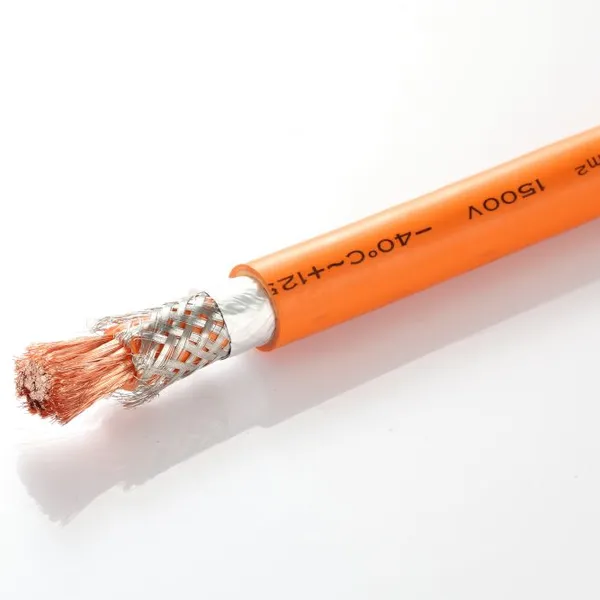
Electric vehicles occupy an increasingly important part of modern mobility. Improving the overall performance and charging experience of the vehicle is a concern for the new energy industry. Liquid-cooled high-voltage cables are a new type of cable used in high-voltage power transmission and distribution systems, and have many advantages over traditional dry high-voltage cables.
Liquid-cooled high-voltage cables excel in reliability. Conventional dry high-voltage cables run the risk of insulation damage due to aging of the insulation material. Liquid-cooled high-voltage cables, on the other hand, use a special liquid insulation material that effectively prevents insulation aging. In addition, liquid-cooled high-voltage cables have better voltage resistance and are able to withstand higher voltages, which reduces the power loss in the power transmission system. While ensuring reliability, liquid-cooled high-voltage cables also have significant advantages in terms of efficiency. Traditional dry high-voltage cables generate large amounts of heat when transmitting electricity, which needs to be dissipated through the cooling system, thus causing additional energy loss. The liquid-cooled high-voltage cable through the liquid cooling medium will heat away, can more effectively reduce the cable temperature, improve the efficiency of power transmission. In addition, liquid-cooled high-voltage cable can also realize higher power density, can be in the same volume under the transmission of more power, improve the overall efficiency of the power system.
Liquid-cooled high-voltage cables have good safety performance. The liquid-cooled system adopts an airtight structure, which can effectively prevent safety problems such as liquid leakage and short-circuiting of cables. Conventional dry high-voltage cables use insulating materials that may contain environmentally harmful substances, such as fluoride. Liquid-cooled high-voltage cables use liquid insulating materials that are usually environmentally friendly, with no risk of pollution to the environment. And because liquid-cooled high-voltage cables are able to transmit electricity more efficiently, they can reduce energy consumption and lower the negative impact on the environment. At the same time, liquid-cooled high-voltage cables have a smaller size and weight. Due to the liquid cooling technology, the cables dissipate heat better, allowing for smaller conductor cross-sectional areas and insulation thicknesses, which reduces the size and weight of the cables. This provides greater flexibility and convenience for the design and installation of electric vehicles.
The liquid-cooled high-voltage cable plays an important role in the charging system. It connects charging piles and electric vehicles, and undertakes the task of transmitting and cooling high-voltage electrical energy.OMG' is committed to becoming the world's first-class provider of new energy charging application technology, and providing customers with professional and reliable electric vehicle cable solutions. Liquid-cooled high-voltage cables have a broad application prospect in the future power transmission system.
Recently Posted
-
"Small wire diameter, high current"|OMG'European standard oil-cooled charging
December 13, 2024With the rapid development and popularization of electric vehicles, oil-cooled charging cables have attracted much attention as an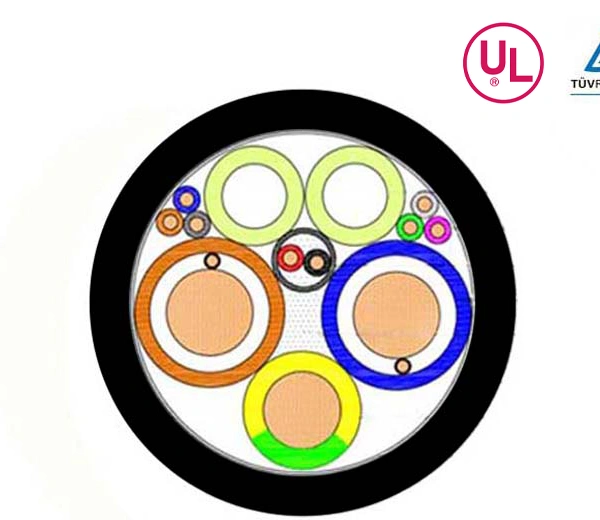 Read More
 -
More lightweight design|UL certified charging cable
December 13, 2024OMG'UL certified charging cables include conventional products and the new NACS series of off-standard nylon constructions, wi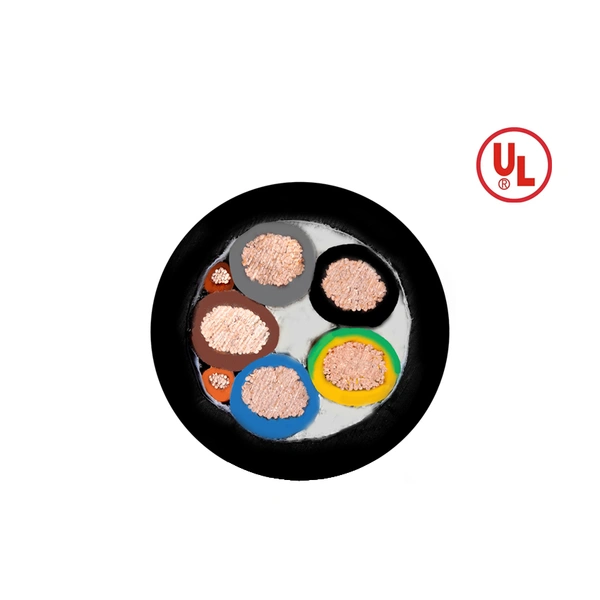 Read More
 -
Understanding the European Standard Charging Cable Designation
December 13, 2024Electric vehicle charging equipment needs to have industry standards for its safety and reliability to do constraints and guarante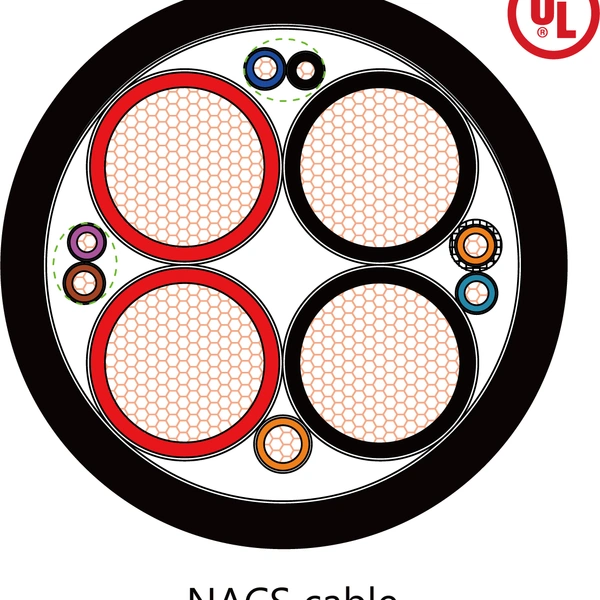 Read More
 -
What do we need to do to ensure charging safety when charging electric vehicles?
December 13, 2024The charging safety of electric vehicles has always been concerned by the market, the following is to focus on charging safety fro Read More

Contact Us
Recommended Products
-
 High Voltage Energy Storage Cable XLPO Wire for BESS Battery CabinetUS$ 0.3 - 12MOQ: 50 Meters
 -
Lightweight Aluminum Core ISO 19642 High Voltage EV Cable XLPEUS$ 0.1 - 8MOQ: 50 Meters
-
ISO 19642-5 High Voltage EV Cable XLPE Insulated Unshielded Harness WireUS$ 0.5 - 10MOQ: 50 Meters
-
LV216 125C 150C High Voltage EV Cable XLPE Insulated Shielded Harness WireUS$ 0.6 - 9MOQ: 50 Meters
-
UL758 Standard High Voltage EV Cable XLPE Insulated Internal Harness WireUS$ 0.99 - 8MOQ: 50 Meters
-
High Voltage Liquid Cooled Cable Automotive Wire for EV Battery Pack HarnessUS$ 9 - 20MOQ: 50 Meters
-
1500V DC Oil-cooled EV Charging Cable - IEC 62893-4-2 StandardNegotiableMOQ: 300 Meters
-
Water-Cooled High Power Charging (HPC) Cable 700A 1500V DC for EV Fast ChargingNegotiableMOQ: 300 Meters
-
UL 2263 EV Charging Cable | Flexible TPE/PVC Electric Vehicle CableNegotiableMOQ: 300 Meters
-
IEC 62893 High Power 1500V DC EV Charging Cable for Fast ChargersNegotiableMOQ: 300 Meters
-
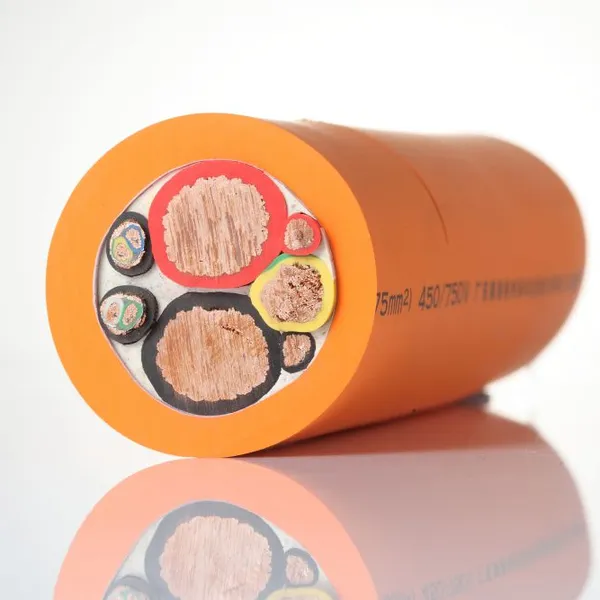
1500V DC EV Charging Cable - IEC 62893 Compliant | OMG EV CABLENegotiableMOQ: 300 Meters
-
OMG EV CABLE (IEC 62893) 450/750V AC Electric Vehicle Charging Cable (62893IEC121 62893IEC123)NegotiableMOQ: 300 Meters
-
OMG' EV Charging Cable 1000V EN 50620 H07BZ5-F for Electric Vehicle Charging ConnectorNegotiableMOQ: 300 Meters
-
EN 50620 EV Charging Cable 450/750V H07BZ5-F for Electric Vehicle Charging ConnectorNegotiableMOQ: 50 Meters
-
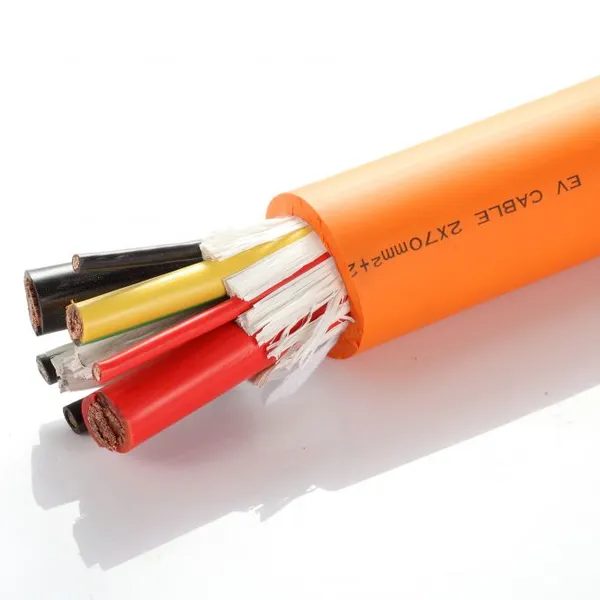
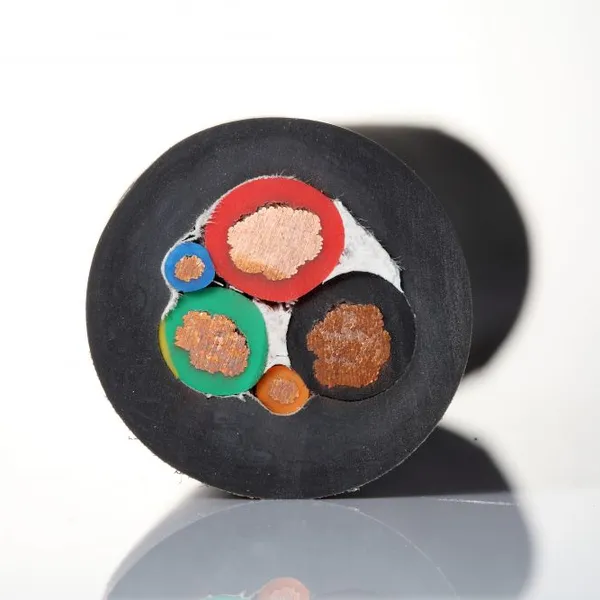
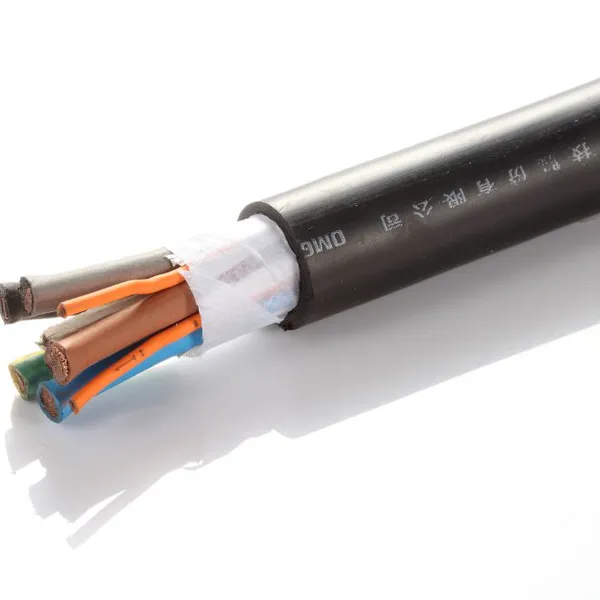
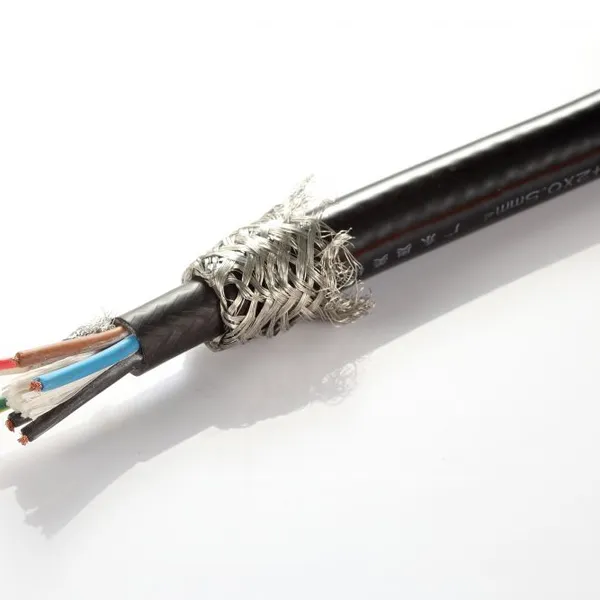
OMG ' Multi-Core Shielded EV High Voltage Cable for New Energy Vehicles XLPE InsulatedNegotiableMOQ: 300 Meters
-
OMG EV High Voltage Cable UL758 XLPE Insulated Shielded Wire for Electric VehiclesNegotiableMOQ: 300 Meters
-
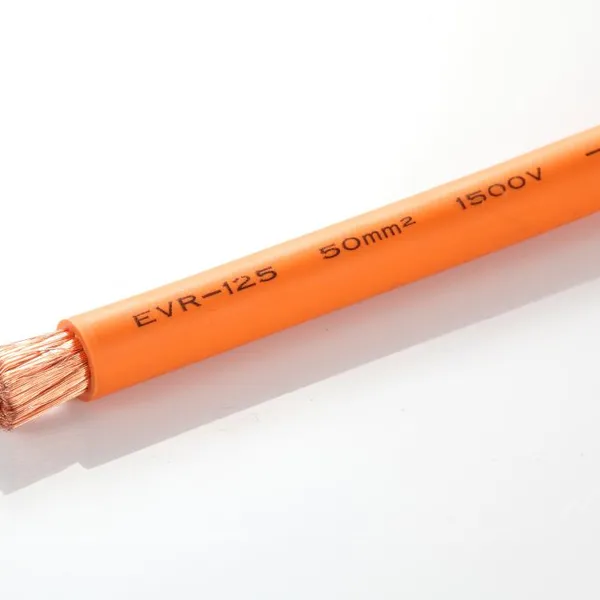
OMG EV In-Car High-Voltage Cable – ISO 19642, LV216, XLPE, XLPO, OrangeNegotiableMOQ: 300 Meters
-
JCS 4522 CablesNegotiableMOQ: 500 Meters
-
PSE Charging CableUS$ 4 - 10MOQ: 500 Meters
-
Water-cooled CableNegotiableMOQ: 50 Meters