 Business License

Learn about the IEC 62893 standard for electric vehicle charging cables
With the rapid development and popularization of electric vehicles, the construction of charging facilities has become increasingly important. The quality and safety of charging cables, as an important part of the connection between electric vehicles and charging piles, is particularly critical. In order to ensure that the safety, reliability and performance of charging cables meet the requirements, the International Electrotechnical Commission (IEC) has formulated a series of standards on charging cables for electric vehicles.
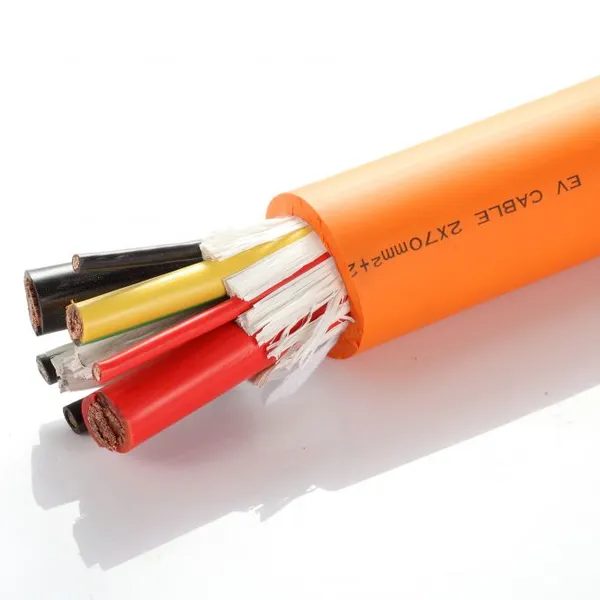
IEC 62893 is a standard on DC charging cables for electric vehicles published in November 2017 for charging modes 1-4.The standard covers the design, manufacture, testing and use of charging cables, and aims to ensure the safety, reliability and interoperability of charging cables in the charging process. The following are some of the important points in the IEC 62893 standard:
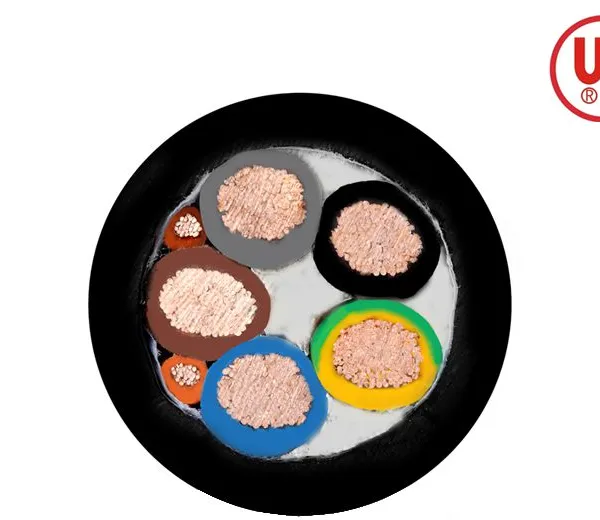
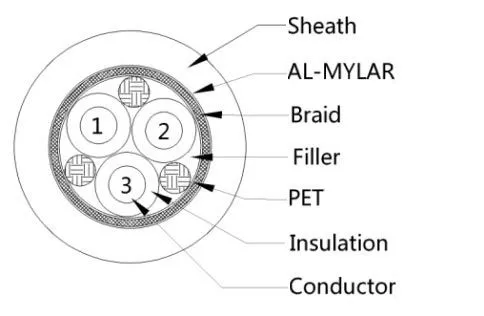
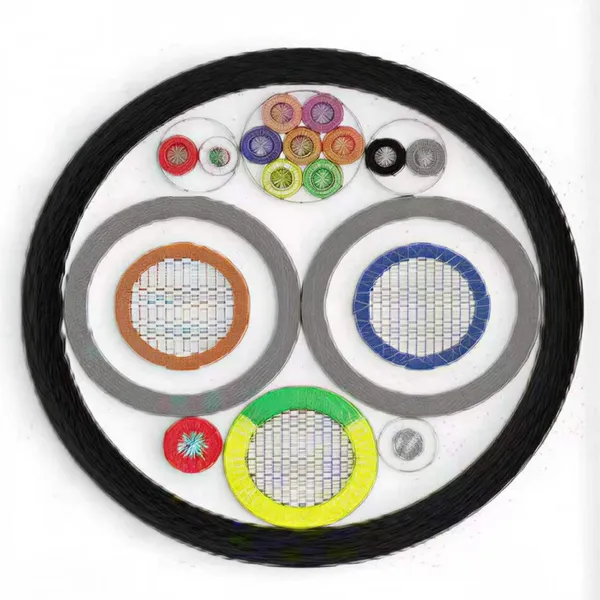
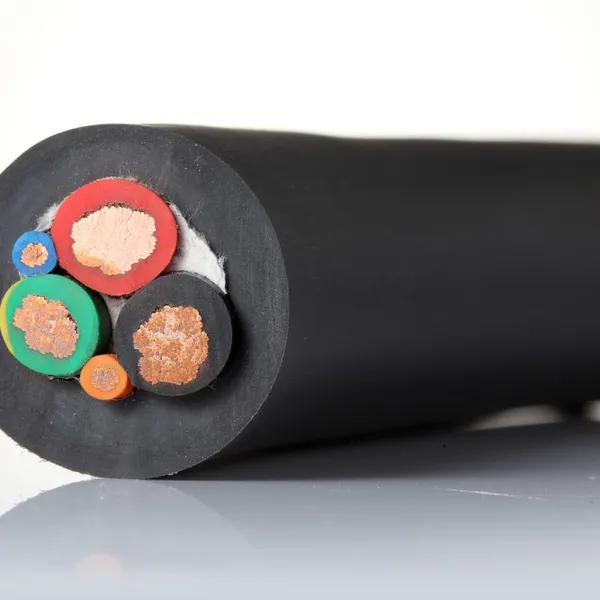
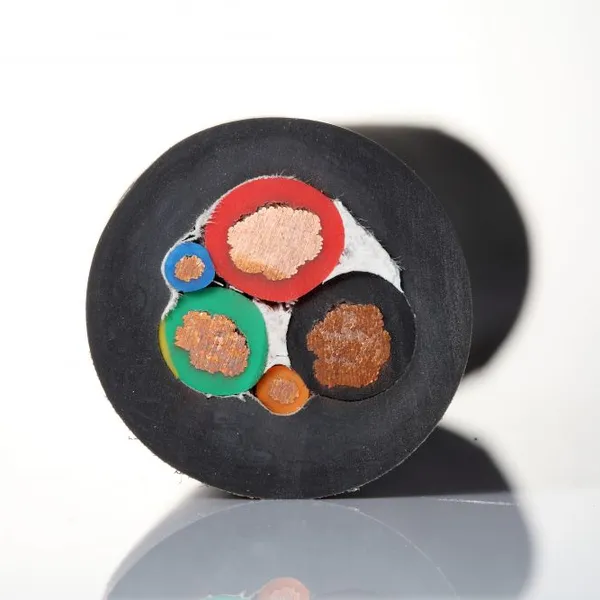
Construction and materials: IEC standards specify the requirements for the construction of charging cables and the materials used. For example, the conductor material should have good electrical conductivity and durability; the insulating materials are EVI-1 (CC/CP wires only) and EVI-2 with good insulating properties and high temperature resistance; the sheaths are polyurethane elastomer materials of the EVM-1 type, EVM-2 (crosslinked) and EVM-3 (crosslinked); and the signaling wires are a minimum of 0.5 mm².
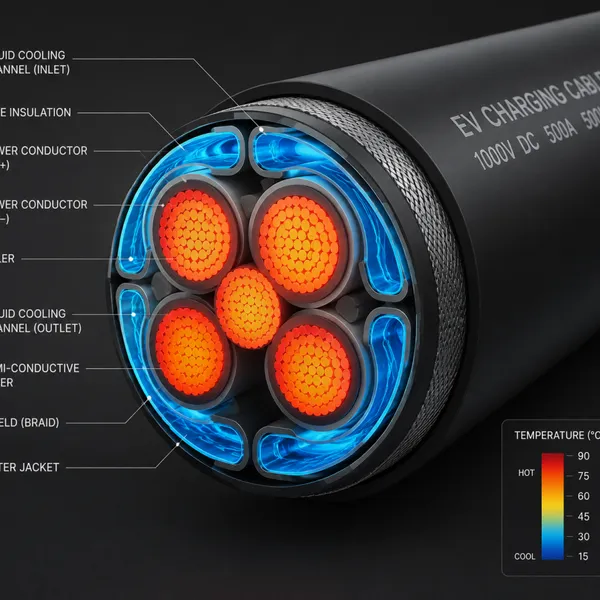
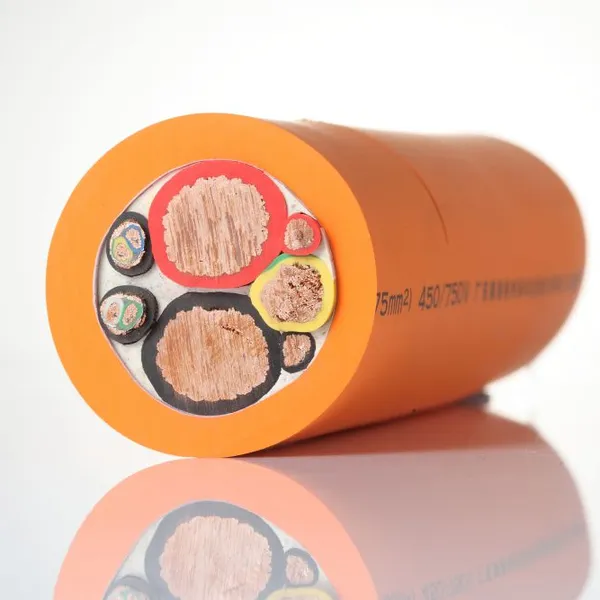
Rated voltage and current: The IEC standard specifies the rated voltage and current range of charging cables. The voltage ratings are 300/500V, 450/750V AC; 1000V DC . The selection of these parameters should be reasonably determined according to the charging demand of electric vehicles and the requirements of charging facilities.
Safety requirements: IEC standards put forward strict requirements on the safety performance of charging cables. For example, charging cables should be waterproof, fireproof and wear-resistant to ensure that no safety accidents will occur during the charging process.
Test methods: The IEC standard specifies test methods for charging cables, including electrical conductivity tests, insulation tests, durability tests, etc. The IEC 62893 test methods are based on the IEC 62893 standard. These test methods assess the performance and reliability of charging cables.The chemical liquid resistance test of IEC 62893 contains 8 chemical liquids, special types are synthetic hydraulic oil and brake fluid. Only the insulation resistance at a temperature of 90°C is assessed. The sheath shrinkage test is at 80°C for five hours and requires a shrinkage of ≤4%. In the swinging test, AC cable takes 2.5 times the cable outer diameter, swinging 10000 times; DC cable takes 5 times the cable outer diameter, swinging 5000 times. Climate aging test requirements for the cable aging, the tensile strength of the sheath and fracture of the true length of the green rate of change ≤ ± 30%.
The development of and compliance with the IEC standard is important for manufacturers, charging facility operators and users of electric vehicle charging cables. The KEMA-KECR, DEKRA SEAL, CQC certificates can be obtained through the IEC 62893 standard. Compliance with the IEC standard ensures the quality and safety of charging cables, improves the efficiency and reliability of the charging process, and facilitates the popularization and development of electric vehicles.OMG' as a professional provider of new energy charging application technology, IEC 62893 standard EV charging cables are available in a wide range of specifications, and we can provide customers with EV charging cable solutions according to their specific needs. As a professional new energy charging application technology provider, IEC62893 standard electric vehicle charging cables have various specifications to choose from and can provide customers with electric vehicle charging cable solutions according to specific needs.
To summarize, the IEC 62893 standard provides important guidance for the design, manufacture and use of electric vehicle charging cables, ensuring the safety, reliability and performance of charging cables in accordance with international standards. In the field of EV charging, following the IEC standard is a critical step in ensuring the safe operation of charging facilities and the charging experience of users.
Recently Posted
-
"Small wire diameter, high current"|OMG'European standard oil-cooled charging
December 13, 2024With the rapid development and popularization of electric vehicles, oil-cooled charging cables have attracted much attention as an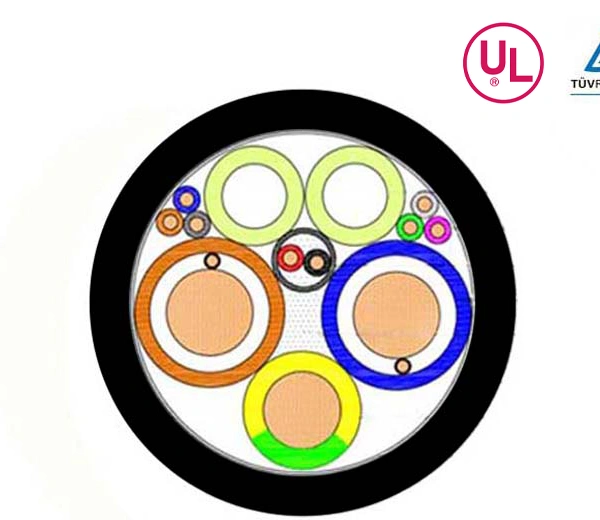 Read More
 -
More lightweight design|UL certified charging cable
December 13, 2024OMG'UL certified charging cables include conventional products and the new NACS series of off-standard nylon constructions, wi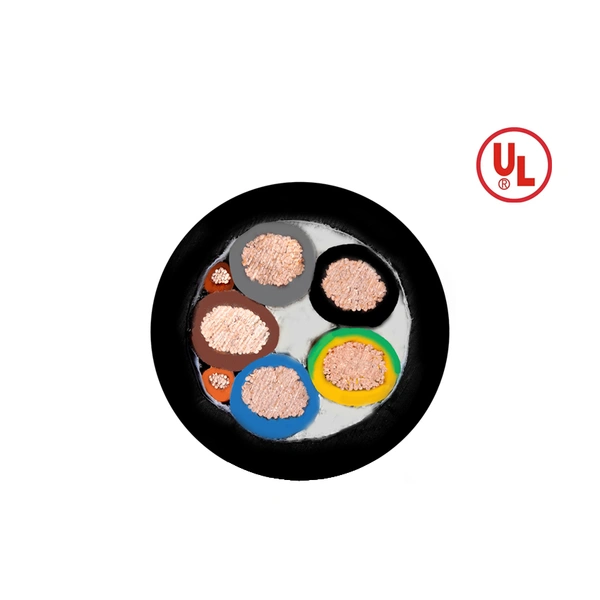 Read More
 -
Understanding the European Standard Charging Cable Designation
December 13, 2024Electric vehicle charging equipment needs to have industry standards for its safety and reliability to do constraints and guarante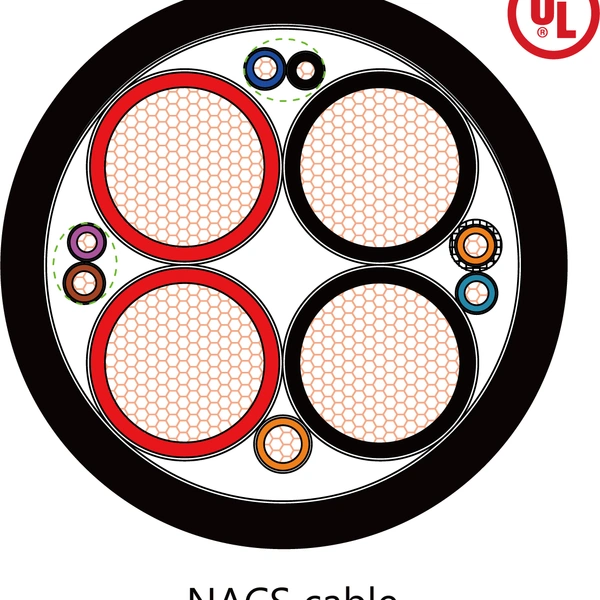 Read More
 -
What do we need to do to ensure charging safety when charging electric vehicles?
December 13, 2024The charging safety of electric vehicles has always been concerned by the market, the following is to focus on charging safety fro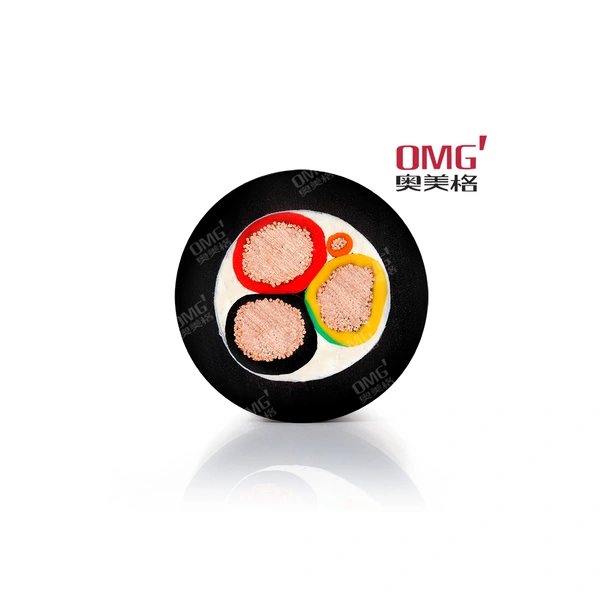 Read More

Contact Us
Recommended Products
-
 1500V DC Oil-cooled EV Charging Cable - IEC 62893-4-2 StandardNegotiableMOQ: 300 Meters
 -
Water-Cooled High Power Charging (HPC) Cable 700A 1500V DC for EV Fast ChargingNegotiableMOQ: 300 Meters
-
UL 2263 EV Charging Cable | Flexible TPE/PVC Electric Vehicle CableNegotiableMOQ: 300 Meters
-
IEC 62893 High Power 1500V DC EV Charging Cable for Fast ChargersNegotiableMOQ: 300 Meters
-
1500V DC EV Charging Cable - IEC 62893 Compliant | OMG EV CABLENegotiableMOQ: 300 Meters
-
OMG EV CABLE (IEC 62893) 450/750V AC Electric Vehicle Charging Cable (62893IEC121 62893IEC123)NegotiableMOQ: 300 Meters
-
OMG' EV Charging Cable 1000V EN 50620 H07BZ5-F for Electric Vehicle Charging ConnectorNegotiableMOQ: 300 Meters
-
EN 50620 EV Charging Cable 450/750V H07BZ5-F for Electric Vehicle Charging ConnectorNegotiableMOQ: 50 Meters
-
OMG ' Multi-Core Shielded EV High Voltage Cable for New Energy Vehicles XLPE InsulatedNegotiableMOQ: 300 Meters
-
OMG EV High Voltage Cable UL758 XLPE Insulated Shielded Wire for Electric VehiclesNegotiableMOQ: 300 Meters
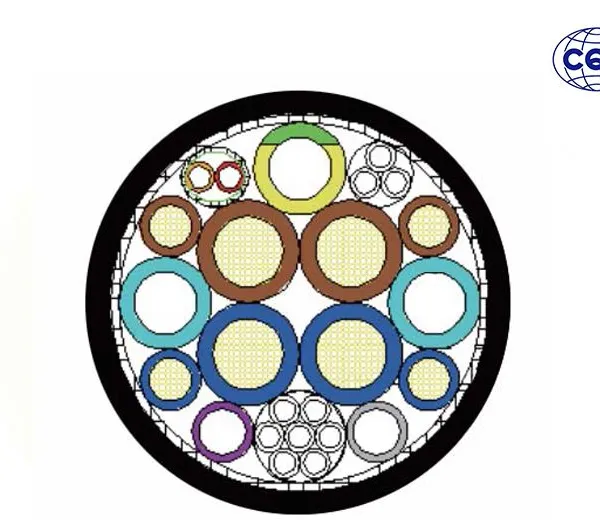
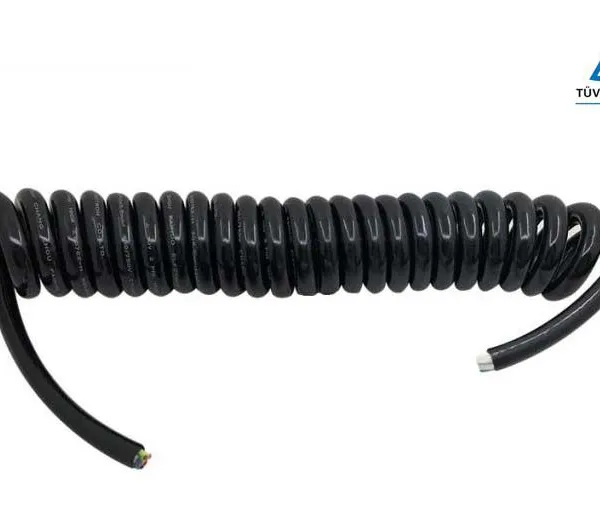
-
UL EV Charging Cable(Suitable for NACS、CCS1)NegotiableMOQ: 50 Meters
-
AC1500V HV Flexible CableNegotiableMOQ: 50 Meters
-
QC/T1073 Multi-core Shielded High-voltage CableNegotiableMOQ: 50 Meters
-
QC/T1073 EV High-voltage CableNegotiableMOQ: 50 Meters
-
Liquid-cooled HV CableNegotiableMOQ: 50 Meters