 Business License

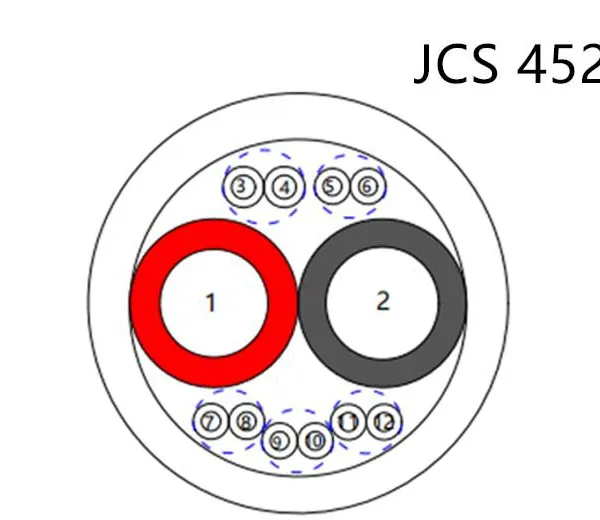
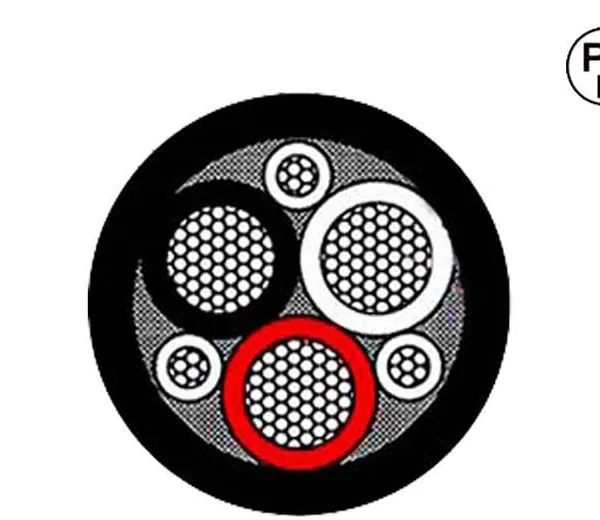
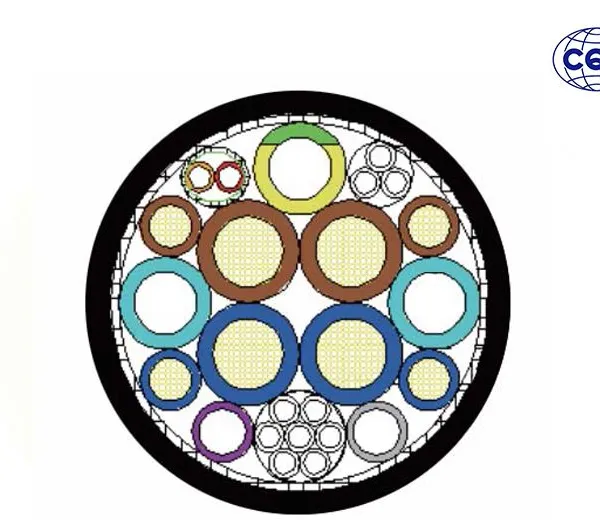
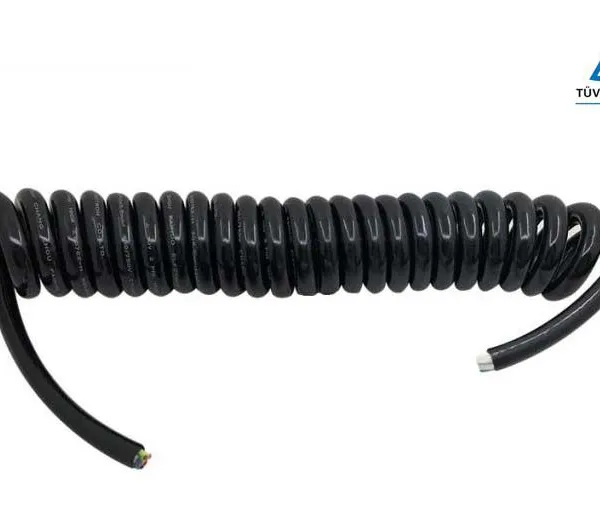
Composition of high-voltage cables for electric vehicles
With the popularization of electric vehicles and the increase in demand, the composition and characteristics of high-voltage cables, as an important part of electric vehicles, have attracted much attention. This paper will introduce the composition of high-voltage cables for electric vehicles and their importance.
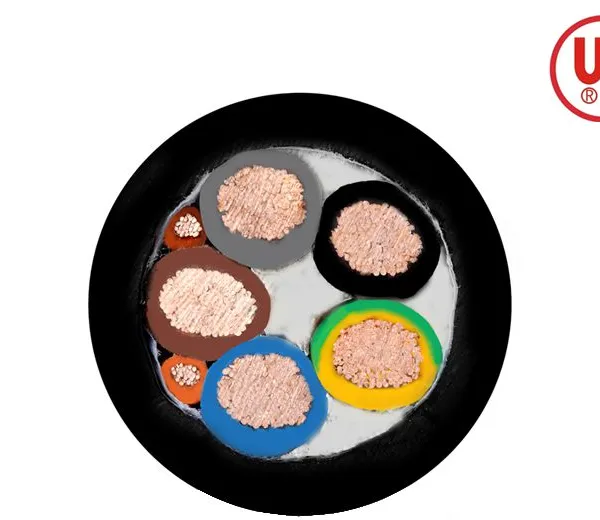
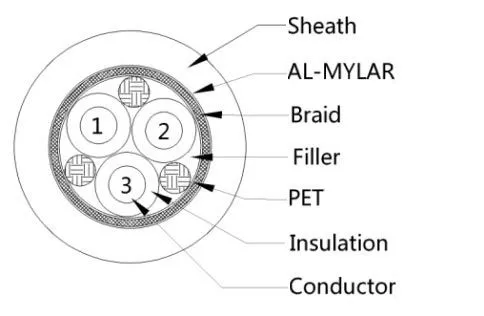
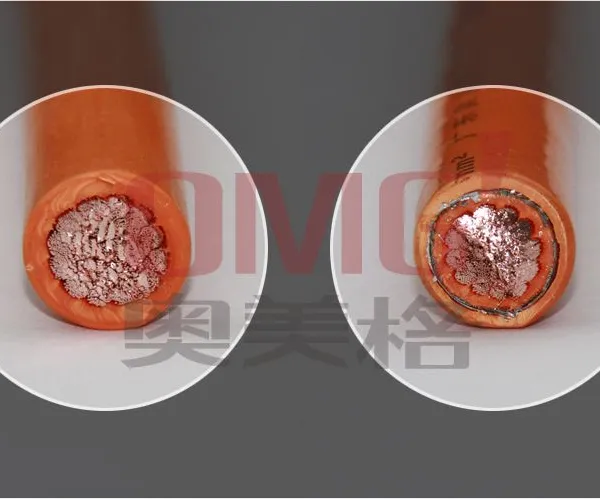
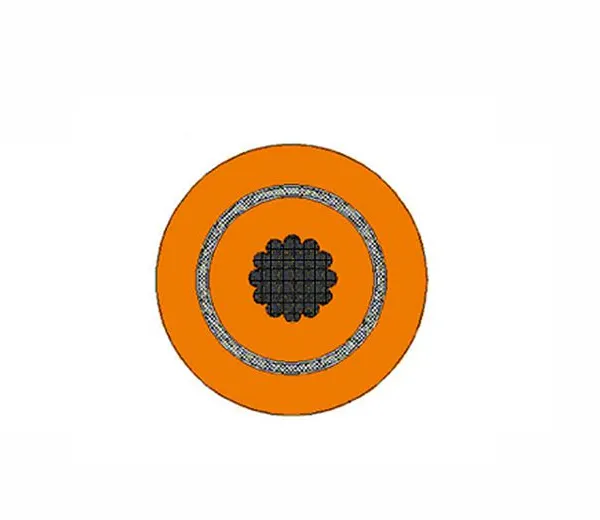
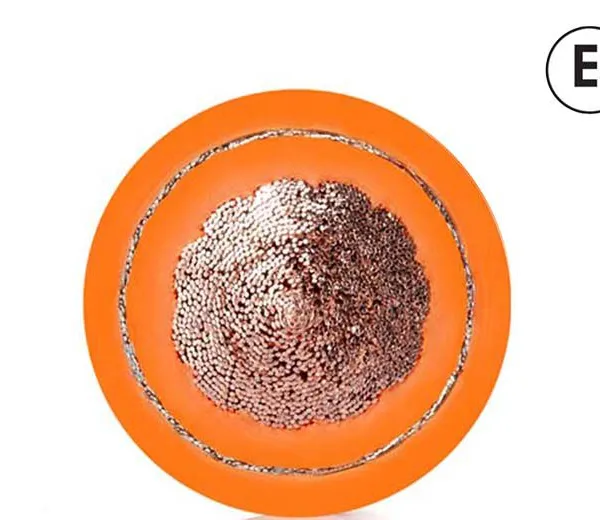
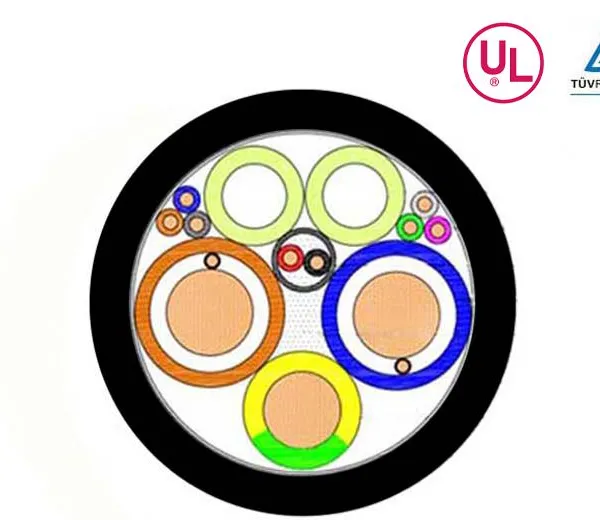
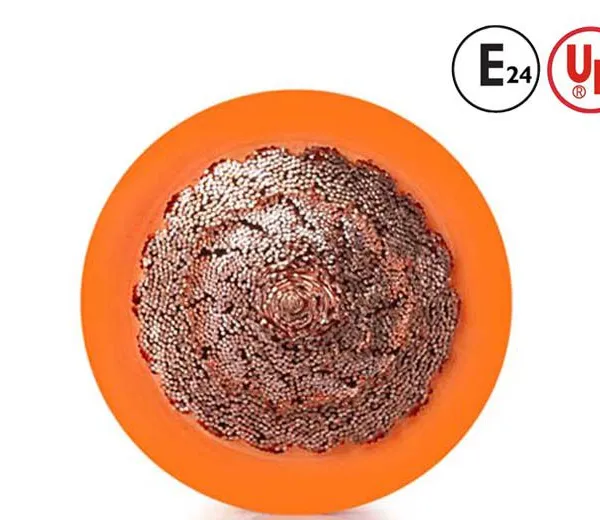
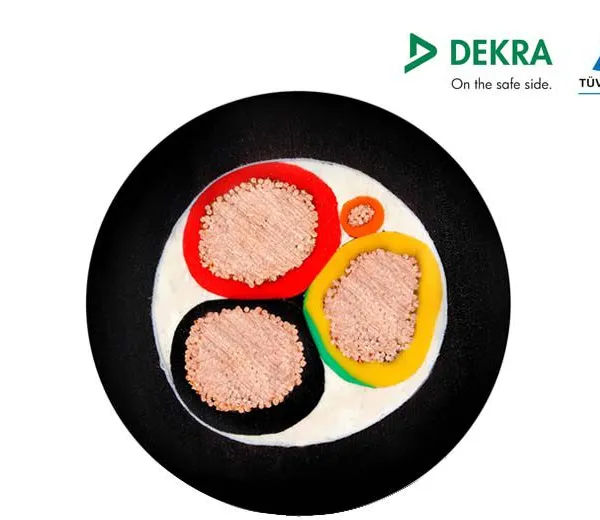
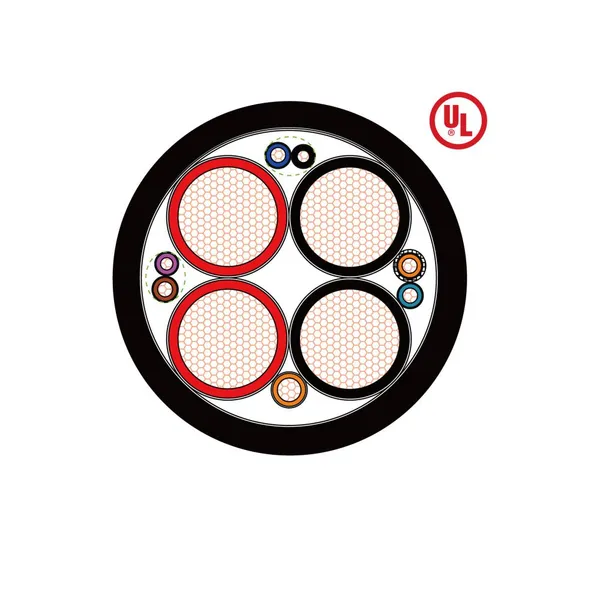
1. Conductor material: The conductor of electric vehicle high-voltage cables is usually made of copper or aluminum. These materials have good electrical conductivity and corrosion resistance, and can effectively transmit electrical energy. A certain number of monofilaments are first bunch stranded and then concentrically re-stranded to form the soft conductor needed for high voltage cables. The high number of strands also allows the conductor to be more resistant to bending. The shorter pitch of the stranded wires also improves the bending life of the high voltage cable.
2. Insulation: The insulation of high voltage cables is designed to stop current leakage and the risk of electric shock. Common insulating materials include polyethylene (PE), cross-linked polyethylene (XLPE) and rubber. These materials have good insulating properties and can effectively isolate the current. Thermal requirements and mechanical strength are also considered to keep the cable flexible.
3. Sheathing: The sheathing of high-voltage cables is mainly used to protect the insulation and conductors from external substances and environmental damage. Environmental properties such as resistance to liquids and abrasion are also particularly important for the sheath due to direct contact. Common sheath materials include polyvinyl chloride (PVC), polyurethane (PU) and rubber. These materials have good abrasion and corrosion resistance, which can effectively extend the service life of the cable.
4. Shield: The shield of high-voltage cables is used to reduce electromagnetic interference and prevent signal leakage. Common shielding materials include aluminum foil and copper braided mesh. These materials can effectively shield the external electromagnetic interference and ensure the stability of the signal transmitted by the cable. The shielding needs to have a coverage of more than 90% to overcome the problem of high-frequency radiation generated by the switching power supply in the system being induced through the cable to the neighboring components. Shielding effect of different needs, braided shielding can be combined with a variety of other shielding, such as aluminum-plastic conforming film. A non-woven fabric can be wrapped around the shield to ensure that the sheath can be easily peeled off during assembly.
The composition of high-voltage cables has an important impact on the safety and performance of electric vehicles.Reasonable selection and design of materials and structure of high-voltage cables can improve the charging efficiency and safety of electric vehicles, and reduce the energy loss and the risk of malfunctioning.OMG' has invested a lot of resources in the independent research and development of new energy electric vehicle conductive products since 2009, and has passed ISO 9001:2015 and IATF 16949:2016 system certification.OMG's high voltage cable products implement international standards such as QC/T1037, ISO6722-1, ISO6722-2, ISO14572, LV216, ISO19642, UL758 (UL3820UL30088), etc. to ensure the safety and reliability of the transmission of electrical energy and charging process. OMG' can customize the products according to the specific needs of customers. Conductor materials include bare copper, tinned copper and aluminum alloy types.
OMG' EV high voltage cables have the following advantages: the products are soft and feel good, with a bending radius of less than 5D; oil, acid and alkali, water, abrasion, crushing, cracking, UV and color stability; good flame retardant; bending resistance of more than 50,000 times; and all the materials comply with the RoHS & REACH environmental standards. With the continuous development of electric vehicle technology, the design and materials of high voltage cables will be constantly innovated to meet the growing market demand for electric vehicles.
Recently Posted
-
"Small wire diameter, high current"|OMG'European standard oil-cooled charging
December 13, 2024With the rapid development and popularization of electric vehicles, oil-cooled charging cables have attracted much attention as an Read More
 -
More lightweight design|UL certified charging cable
December 13, 2024OMG'UL certified charging cables include conventional products and the new NACS series of off-standard nylon constructions, wi Read More
 -
Understanding the European Standard Charging Cable Designation
December 13, 2024Electric vehicle charging equipment needs to have industry standards for its safety and reliability to do constraints and guarante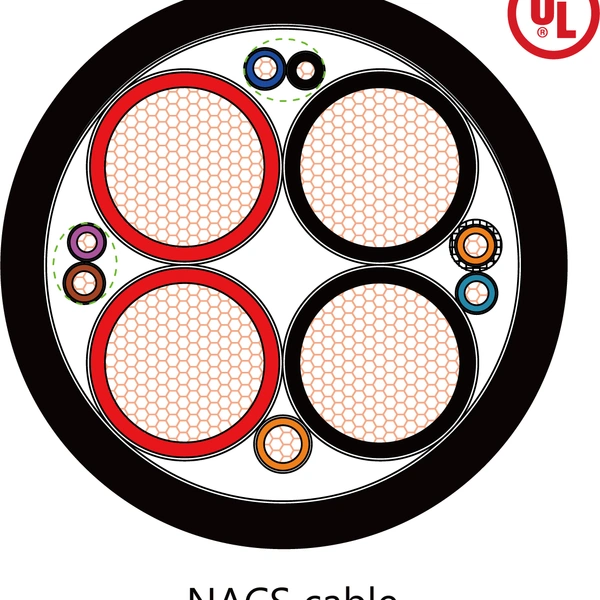 Read More
 -
What do we need to do to ensure charging safety when charging electric vehicles?
December 13, 2024The charging safety of electric vehicles has always been concerned by the market, the following is to focus on charging safety fro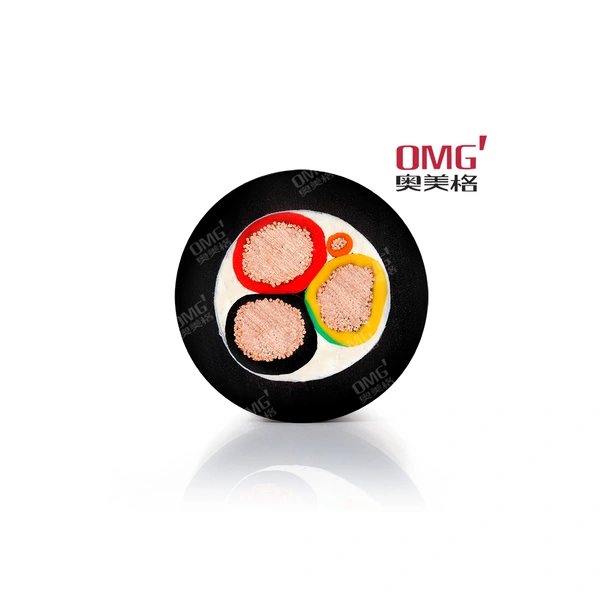 Read More