 Business License

Why are liquid-cooled charging cables better for electric vehicles?
As the demand for the electric vehicle charging market grows, so does the demand for products. Providing vehicle owners with a fast, efficient and safe charging experience is something that charging technology providers should prioritize. Liquid-cooled charging cables have a number of advantages over traditional air-cooled charging cables that make them an important player in the development of the electric vehicle industry.
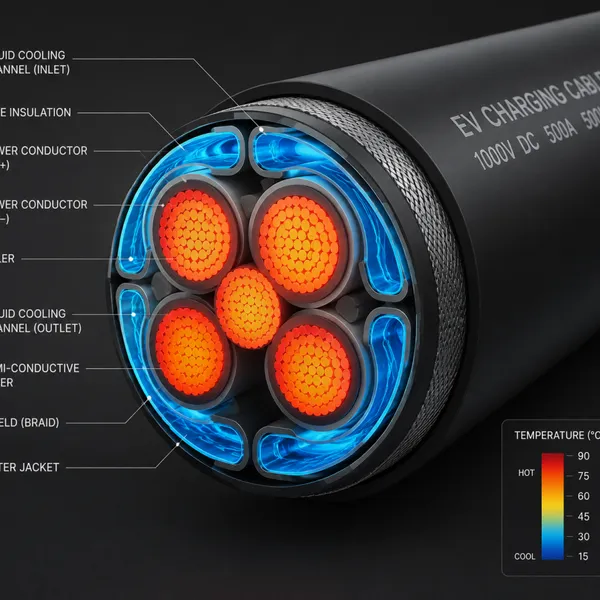
First of all, liquid-cooled charging cables for electric vehicles offer faster charging speeds. Thanks to the liquid cooling system, the cable is able to dissipate heat more efficiently and avoid overheating. As a result, EVs are able to achieve higher charging power when charging, which reduces charging time. In contrast, air-cooled charging cables have slower charging speeds due to less effective heat dissipation.
Secondly, the liquid-cooled charging cable can maintain a more stable power output during the charging process. The liquid-cooled system can effectively control the temperature of the charging cable and prevent overheating or overcooling. As a result, the power transmission inside the cable is more stable and reliable, reducing power loss and energy waste. Air-cooled charging cables, on the other hand, may experience unstable power due to more difficult temperature control.
In addition, liquid-cooled charging cables for electric vehicles have high safety performance. The liquid-cooled system can detect parameters such as the temperature and current of the cable in a timely manner and make adjustments as needed. When the temperature of the cable is too high or the current is too high, the system will automatically issue an alarm and stop charging to protect the charging equipment and the safety of the electric vehicle. Air-cooled charging cables are weaker in temperature control, and their safety performance is lacking.
And last but not least, liquid-cooled charging cables also have a long service life. The liquid-cooled system effectively lowers the operating temperature of the cable, reducing wear and aging. In this way, the service life of the cable is effectively extended, reducing the frequency and cost of cable replacement. Air-cooled charging cables, on the other hand, are prone to aging and damage due to the lack of precise temperature control.
With the continuous development of the electric vehicle industry, the liquid-cooled charging cable technology will be more widely used and promoted, making a greater contribution to the popularization and promotion of electric vehicles.OMG', as an excellent new energy charging application technology provider, its liquid-cooled charging cables have been certified by the IEC 62893 standard, which provides a more convenient, efficient and safer solution for the charging of electric vehicles.
Recently Posted
-
"Small wire diameter, high current"|OMG'European standard oil-cooled charging
December 13, 2024With the rapid development and popularization of electric vehicles, oil-cooled charging cables have attracted much attention as an Read More
 -
More lightweight design|UL certified charging cable
December 13, 2024OMG'UL certified charging cables include conventional products and the new NACS series of off-standard nylon constructions, wi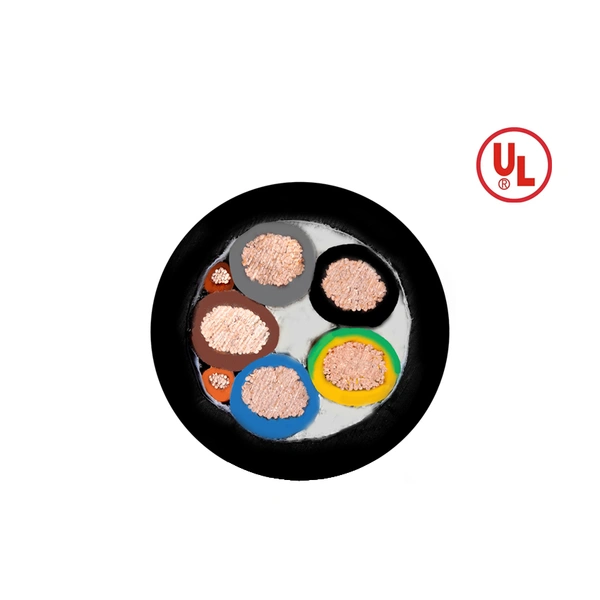 Read More
 -
Understanding the European Standard Charging Cable Designation
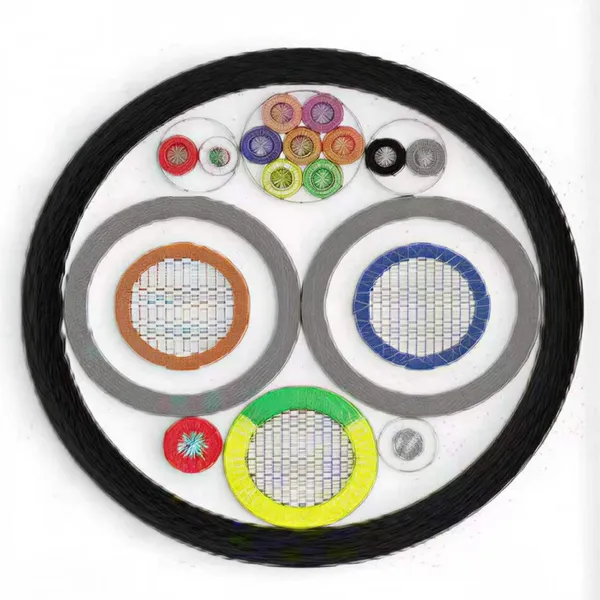
December 13, 2024Electric vehicle charging equipment needs to have industry standards for its safety and reliability to do constraints and guarante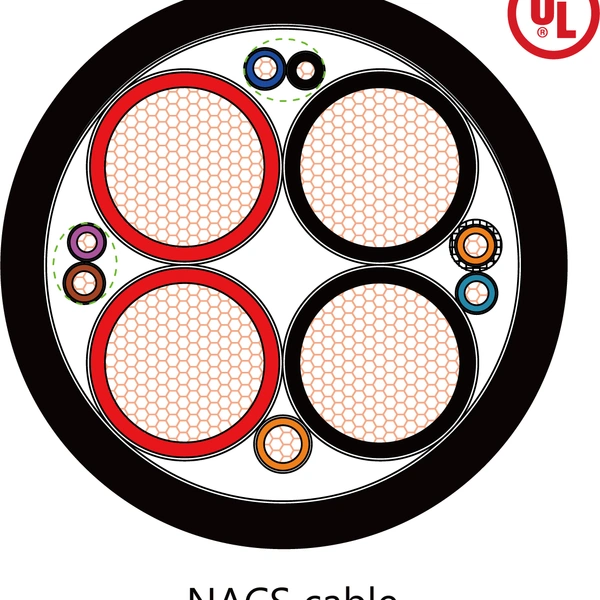 Read More
 -
What do we need to do to ensure charging safety when charging electric vehicles?
December 13, 2024The charging safety of electric vehicles has always been concerned by the market, the following is to focus on charging safety fro Read More

Contact Us
Recommended Products
-
 1500V DC Oil-cooled EV Charging Cable - IEC 62893-4-2 StandardNegotiableMOQ: 300 Meters
 -
Water-Cooled High Power Charging (HPC) Cable 700A 1500V DC for EV Fast ChargingNegotiableMOQ: 300 Meters
-
UL 2263 EV Charging Cable | Flexible TPE/PVC Electric Vehicle CableNegotiableMOQ: 300 Meters
-
IEC 62893 High Power 1500V DC EV Charging Cable for Fast ChargersNegotiableMOQ: 300 Meters
-
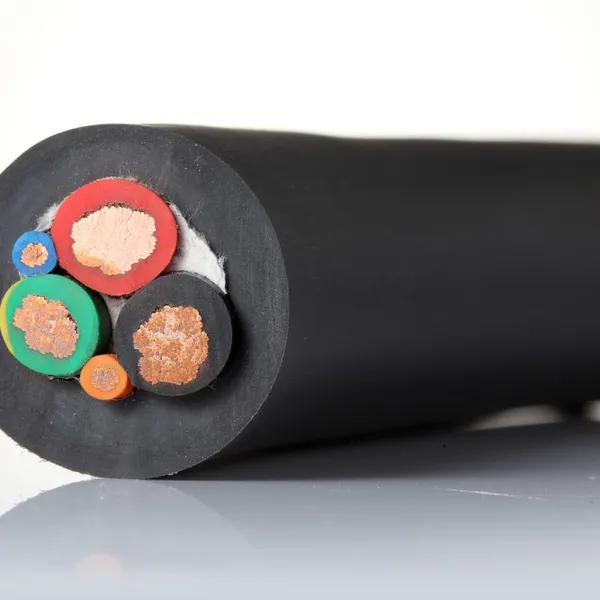
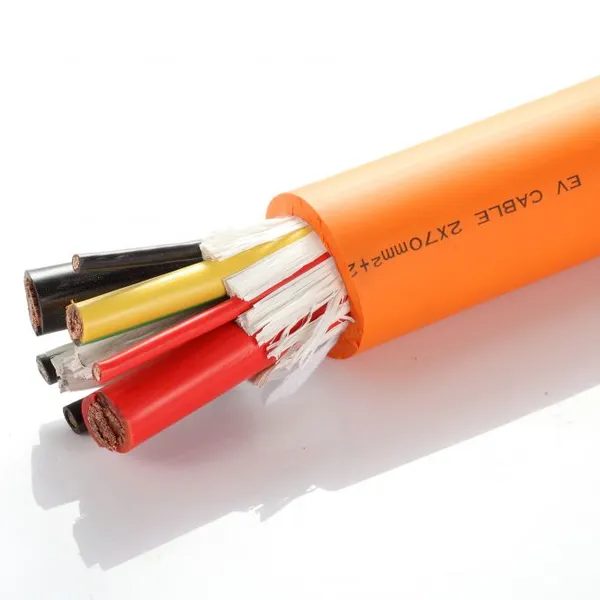
1500V DC EV Charging Cable - IEC 62893 Compliant | OMG EV CABLENegotiableMOQ: 300 Meters
-
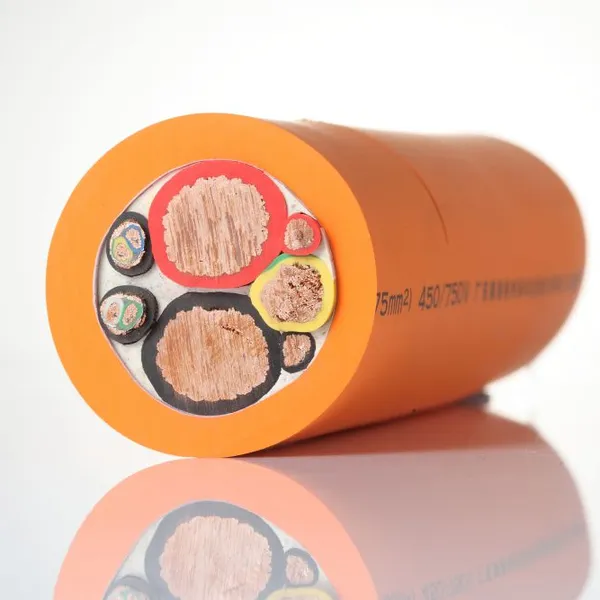
OMG EV CABLE (IEC 62893) 450/750V AC Electric Vehicle Charging Cable (62893IEC121 62893IEC123)NegotiableMOQ: 300 Meters
-
OMG' EV Charging Cable 1000V EN 50620 H07BZ5-F for Electric Vehicle Charging ConnectorNegotiableMOQ: 300 Meters
-
EN 50620 EV Charging Cable 450/750V H07BZ5-F for Electric Vehicle Charging ConnectorNegotiableMOQ: 50 Meters
-
OMG ' Multi-Core Shielded EV High Voltage Cable for New Energy Vehicles XLPE InsulatedNegotiableMOQ: 300 Meters
-
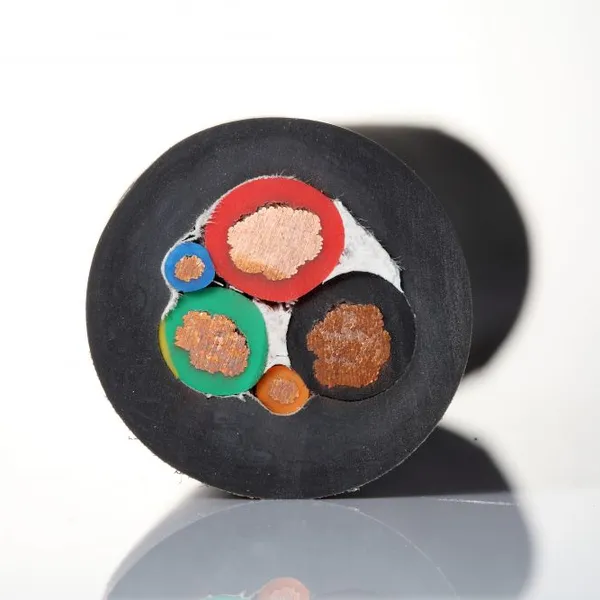
OMG EV High Voltage Cable UL758 XLPE Insulated Shielded Wire for Electric VehiclesNegotiableMOQ: 300 Meters

-
UL EV Charging Cable(Suitable for NACS、CCS1)NegotiableMOQ: 50 Meters
-
AC1500V HV Flexible CableNegotiableMOQ: 50 Meters
-
QC/T1073 Multi-core Shielded High-voltage CableNegotiableMOQ: 50 Meters
-
QC/T1073 EV High-voltage CableNegotiableMOQ: 50 Meters
-
Liquid-cooled HV CableNegotiableMOQ: 50 Meters