 Business License

The Impact of High-Voltage Cables on Electric Vehicle Power Transmission
With the rapid development of new energy vehicles, high-voltage cables, as the core components of power transmission, directly affect the safety and efficiency of the vehicles. This article will explore the relationship between the material selection of high-voltage cables and safety performance, and analyze its impact on the power transmission of new energy vehicles.
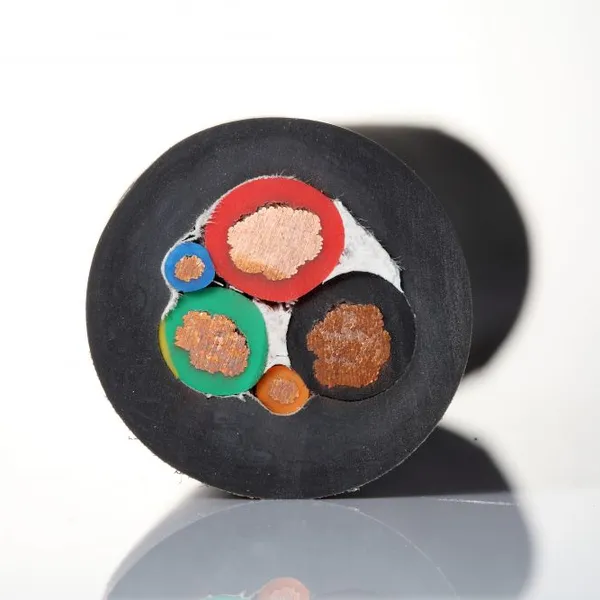
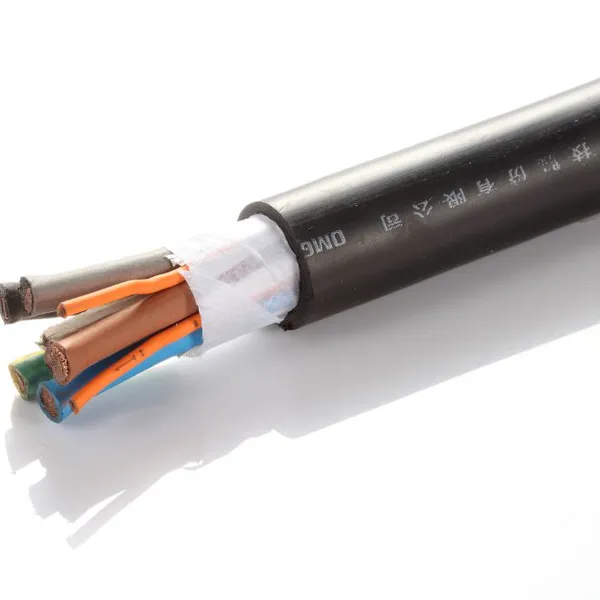
Materials of High-Voltage CablesThe material selection of high-voltage cables is crucial to their performance. According to the search results, the main materials of high-voltage cables include conductor materials and insulating materials.
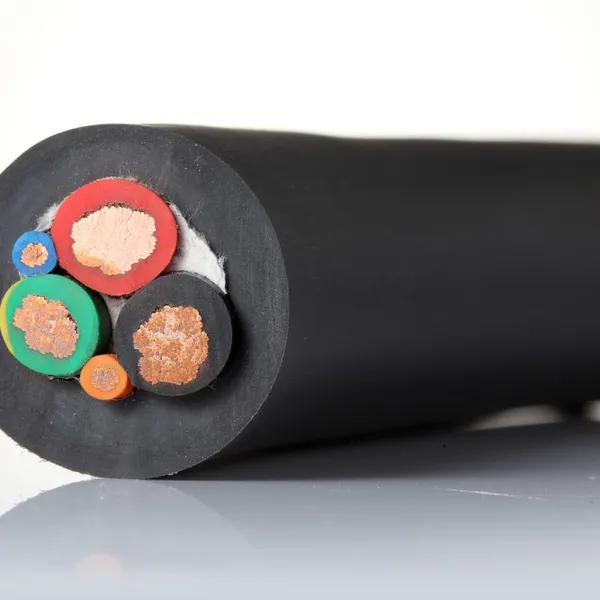
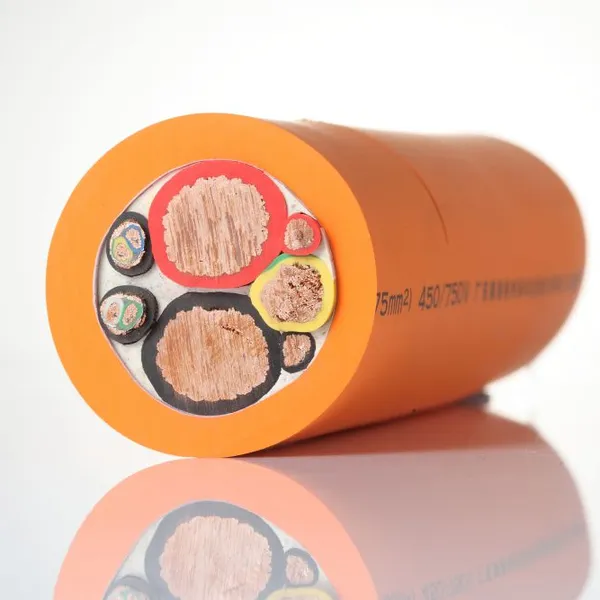
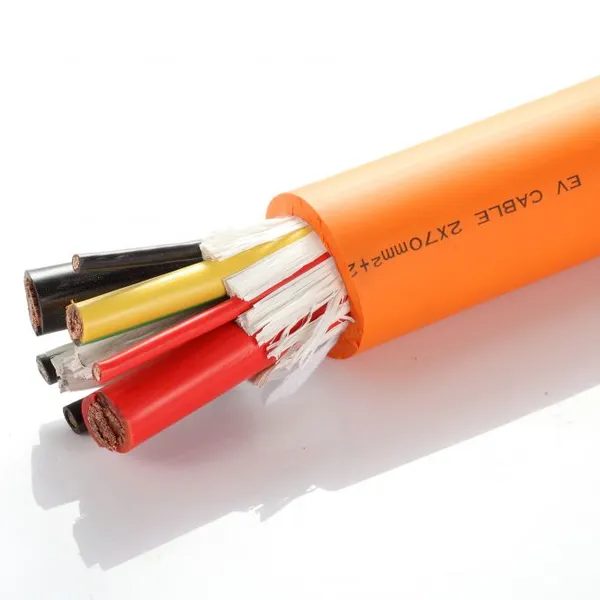
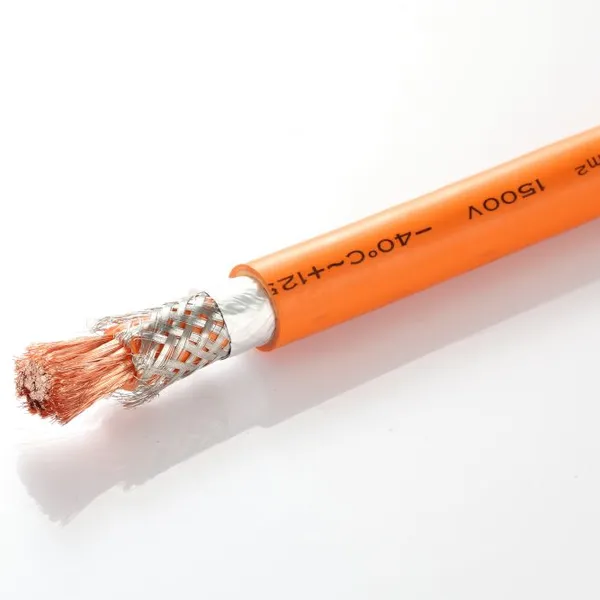
Conductor MaterialsThere are mainly two types of conductor materials: copper and aluminum. Copper is widely used due to its low resistivity rate and superior comprehensive performance, while aluminum is used by some manufacturers due to its lower cost. Copper conductors not only have good electrical conductivity but also have large current capacity, low voltage loss, low energy consumption, and strong reliability.
Insulating MaterialsThe performance of insulating materials directly affects the cable's withstand voltage, heat resistance, and insulation strength. Commonly used insulating materials include cross-linked polyethylene (XLPE), silicone rubber, and fluorinated ethylene, etc.. These materials need to have good electrical insulation performance, high withstand voltage strength, and heat resistance.
Safety PerformanceThe safety performance of high-voltage cables is an essential part of the power transmission in new energy vehicles. Safety performance includes withstand voltage performance, withstand current performance, temperature resistance performance, and shielding performance.
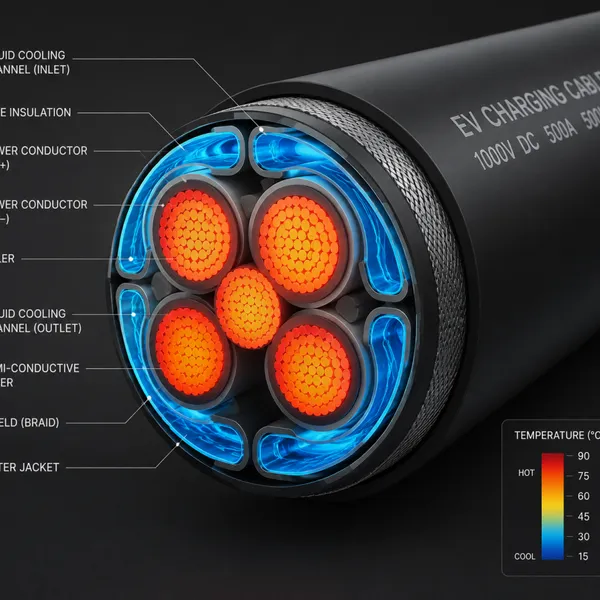
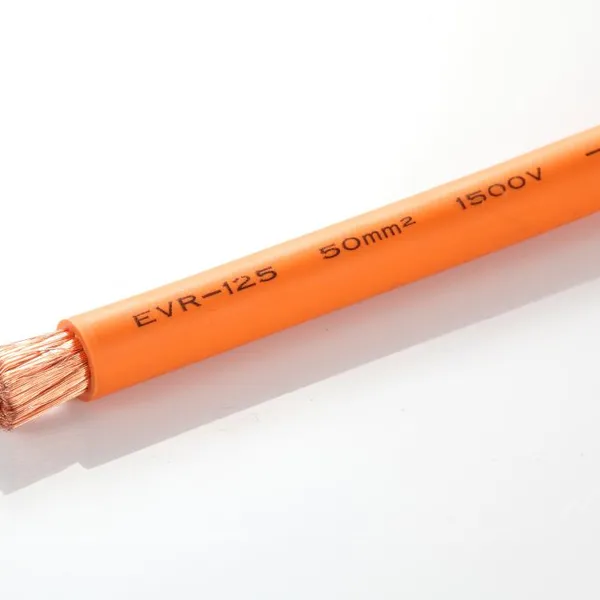
Withstand Voltage PerformanceHigh-voltage cables for new energy vehicles need to have high withstand voltage performance to adapt to high-voltage environments. Passenger cars generally use a rated voltage of 600VAC/900VDC, and commercial vehicles generally use a rated voltage of 1000VAC/1500VDC.
Withstand Current PerformanceAccording to the electric current of high-voltage system components, it is commonly used at 250A, and some high-power motors can be used up to 400A.
Temperature Resistance PerformanceThe high-temperature resistance is divided into 125℃, 150℃, 200℃, etc., and the high-temperature conventional choice is a heat-resistant 150℃ conductor; the low-temperature conventional choice is a low-temperature-resistant -40℃ conductor.
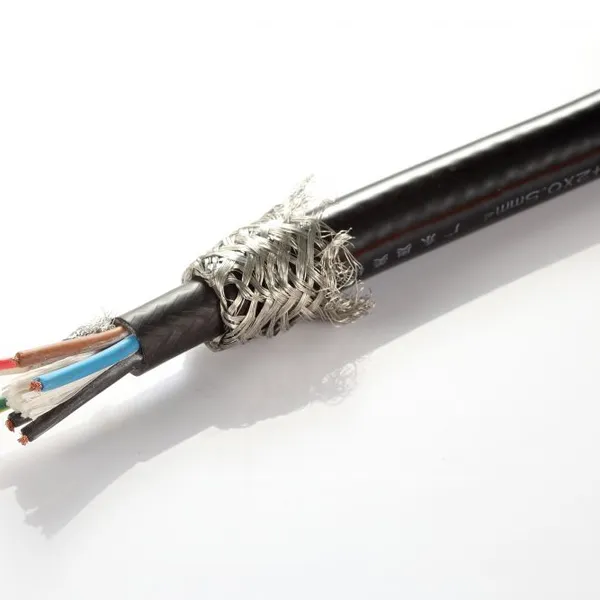
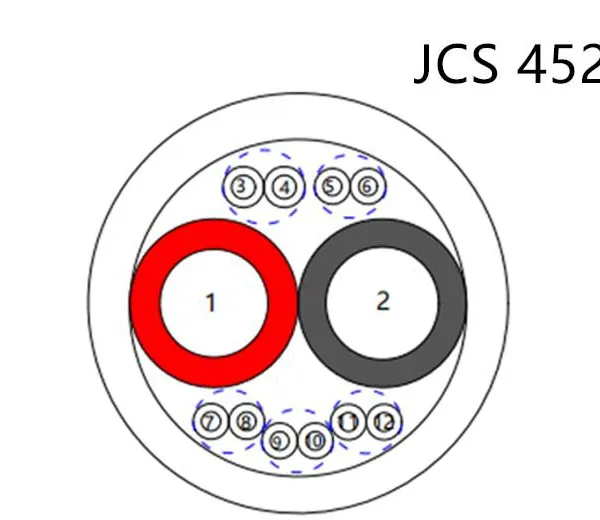
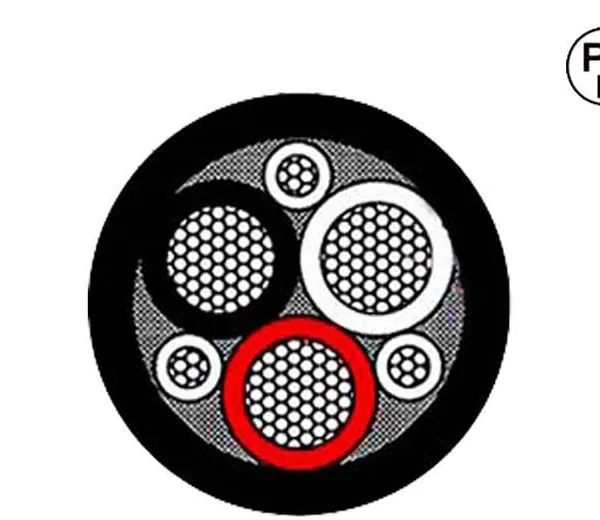
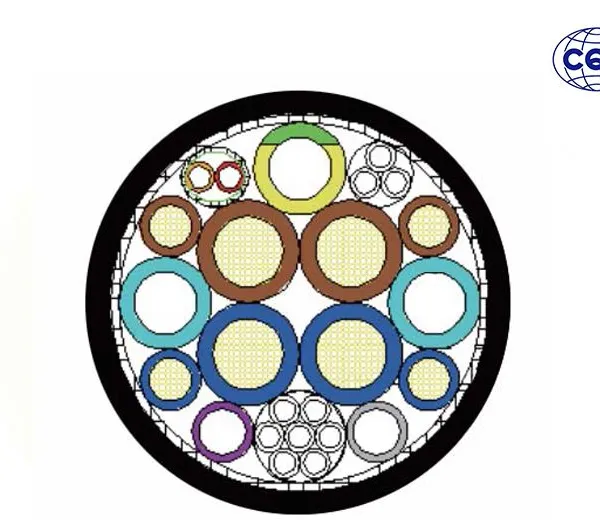
Shielding PerformanceHigh-voltage cables also need to have good shielding performance to prevent electromagnetic interference and improve the stability of signal transmission.
Impact on Electric Vehicle Power TransmissionThe material and safety performance of high-voltage cables have a direct impact on the power transmission of new energy vehicles. Good materials can improve the cable's withstand voltage and heat resistance, ensuring the stability and safety of power transmission. At the same time, high safety performance cables can reduce faults and accidents in the power system, improving the reliability and life of the vehicle.
ConclusionIn summary, the material and safety performance of high-voltage cables are crucial to the power transmission of new energy vehicles. Choosing the right materials and ensuring the safety performance of the cables can improve the efficiency and safety of power transmission in new energy vehicles, thus promoting the healthy development of the new energy vehicle industry.
Recently Posted
-
"Small wire diameter, high current"|OMG'European standard oil-cooled charging
December 13, 2024With the rapid development and popularization of electric vehicles, oil-cooled charging cables have attracted much attention as an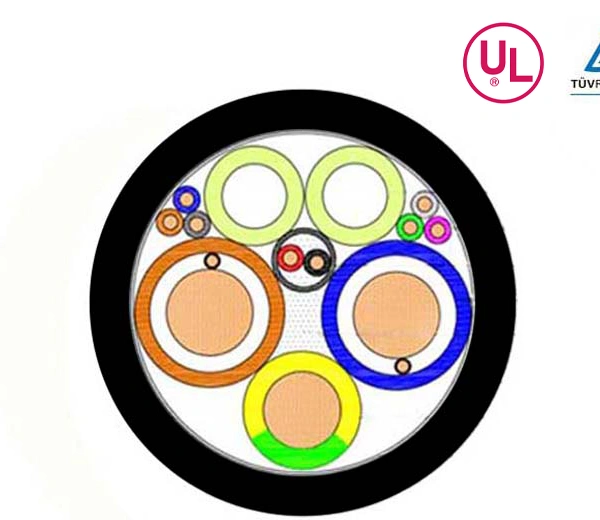 Read More
 -
More lightweight design|UL certified charging cable
December 13, 2024OMG'UL certified charging cables include conventional products and the new NACS series of off-standard nylon constructions, wi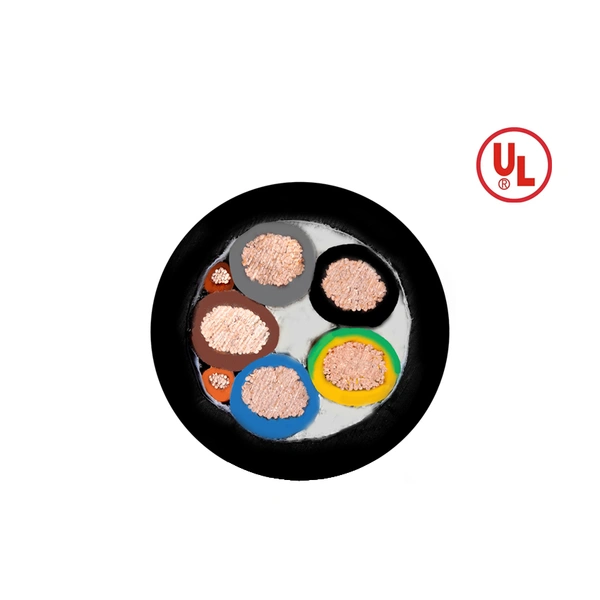 Read More
 -
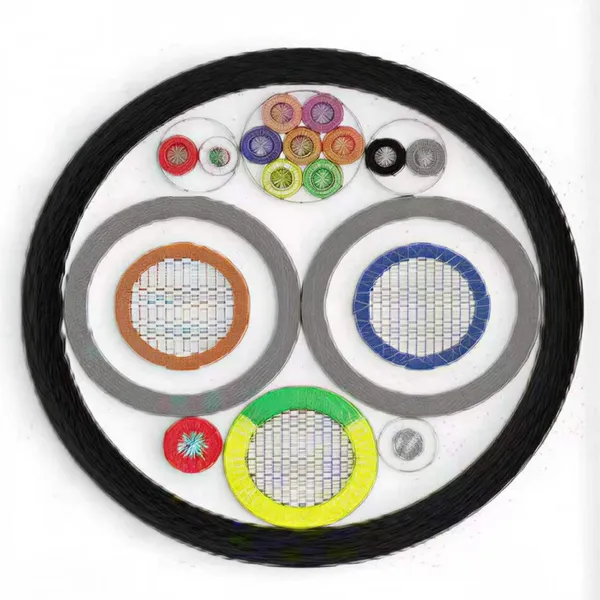
Understanding the European Standard Charging Cable Designation
December 13, 2024Electric vehicle charging equipment needs to have industry standards for its safety and reliability to do constraints and guarante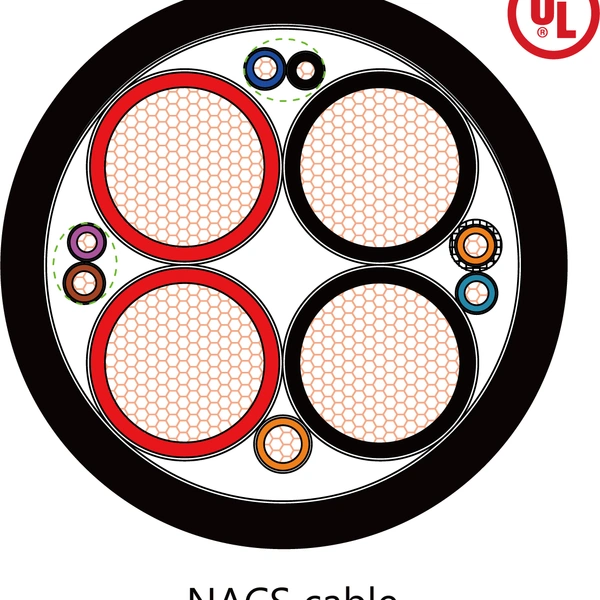 Read More
 -
What do we need to do to ensure charging safety when charging electric vehicles?
December 13, 2024The charging safety of electric vehicles has always been concerned by the market, the following is to focus on charging safety fro Read More

Contact Us
Recommended Products
-
 1500V DC Oil-cooled EV Charging Cable - IEC 62893-4-2 StandardNegotiableMOQ: 300 Meters
 -
Water-Cooled High Power Charging (HPC) Cable 700A 1500V DC for EV Fast ChargingNegotiableMOQ: 300 Meters
-
UL 2263 EV Charging Cable | Flexible TPE/PVC Electric Vehicle CableNegotiableMOQ: 300 Meters
-
IEC 62893 High Power 1500V DC EV Charging Cable for Fast ChargersNegotiableMOQ: 300 Meters
-
1500V DC EV Charging Cable - IEC 62893 Compliant | OMG EV CABLENegotiableMOQ: 300 Meters
-
OMG EV CABLE (IEC 62893) 450/750V AC Electric Vehicle Charging Cable (62893IEC121 62893IEC123)NegotiableMOQ: 300 Meters
-
OMG' EV Charging Cable 1000V EN 50620 H07BZ5-F for Electric Vehicle Charging ConnectorNegotiableMOQ: 300 Meters
-
EN 50620 EV Charging Cable 450/750V H07BZ5-F for Electric Vehicle Charging ConnectorNegotiableMOQ: 50 Meters
-
OMG ' Multi-Core Shielded EV High Voltage Cable for New Energy Vehicles XLPE InsulatedNegotiableMOQ: 300 Meters
-
OMG EV High Voltage Cable UL758 XLPE Insulated Shielded Wire for Electric VehiclesNegotiableMOQ: 300 Meters
-
UL EV Charging Cable(Suitable for NACS、CCS1)NegotiableMOQ: 50 Meters
-
AC1500V HV Flexible CableNegotiableMOQ: 50 Meters
-
QC/T1073 Multi-core Shielded High-voltage CableNegotiableMOQ: 50 Meters
-
QC/T1073 EV High-voltage CableNegotiableMOQ: 50 Meters
-
Liquid-cooled HV CableNegotiableMOQ: 50 Meters