 Business License

Routine maintenance and replacement requirements for electric vehicle charging cables
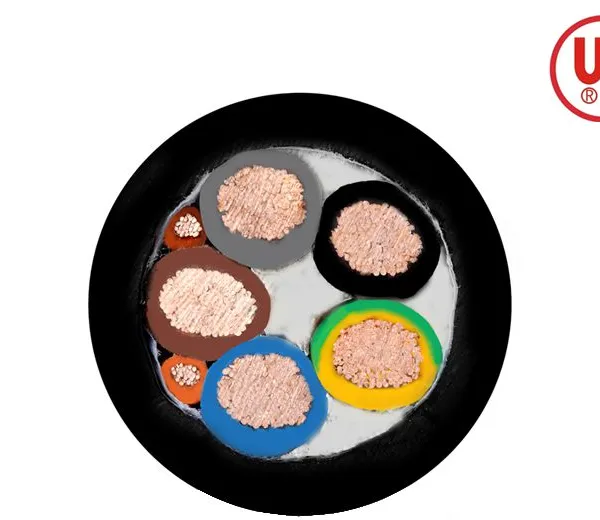
Electric vehicle charging cable is an indispensable part of the electric vehicle charging process, and the industry's standards for the safe use of cables are getting higher and higher. Proper routine maintenance and timely replacement can further ensure the normal operation of charging cables and extend their service life. The following will introduce the daily maintenance and replacement requirements of electric vehicle charging cables.
I. Routine maintenance:
1. Regularly check the appearance of the charging cable: the outer skin of the cable should be carefully inspected for obvious damage, wear or cracks. If the above conditions are found, the cable should be replaced in time to ensure the safety of the charging process.
2、Clean the cable: During the charging process, the cable may be eroded by dust, mud and other pollutants. Regularly clean the surface of the cable with detergent and a damp cloth to ensure that the cable is clean and tidy.
3, to prevent excessive twisting and bending of the cable: before using the cable, you should ensure that the cable is not excessively twisted or bent. Because excessive bending may lead to breakage of the internal wires of the cable, affecting the charging effect and safety.
II.Replacement requirements:
1、According to the service life of the charging cable: according to the service life of the cable and the replacement cycle recommended by the manufacturer, the cable should be replaced regularly to ensure the safety and stability of the charging process.
2、Replacement of damaged cables: If obvious damage is found in the cables during routine maintenance, such as broken cables or ruptured outer skin, the cables should be replaced in time.
3、Pay attention to the selection of adapted cables: When replacing cables, adapted cables that are compatible with charging equipment and vehicles should be selected to ensure that the charging process is carried out properly.
With 14 years of industry experience in the field of electric vehicle charging technology, OMG' provides professional cable solutions and mature technical services to customers worldwide. OMG's charging cables are characterized by mechanical properties such as flexibility, abrasion resistance, bending resistance, drag resistance, crack resistance, UV resistance, etc. OMEGA charging cables have been certified to international standards such as EN, IEC, UL, CQC, DEKRA, PSE, etc., and are suitable for practical use in various regions.
In conclusion, routine maintenance and replacement of electric vehicle charging cables is critical. Regularly checking the appearance of the cable, cleaning the cable, and preventing twisting and excessive bending are the key points of daily maintenance. According to the service life and damage of the cable, it is also very important to replace the cable in time and choose the appropriate cable. Only by choosing charging cables with good performance, safety and quality assurance, and doing a good job of cable maintenance and replacement, can we ensure that the charging process of electric vehicles can be carried out safely and efficiently.
Recently Posted
-
"Small wire diameter, high current"|OMG'European standard oil-cooled charging
December 13, 2024With the rapid development and popularization of electric vehicles, oil-cooled charging cables have attracted much attention as an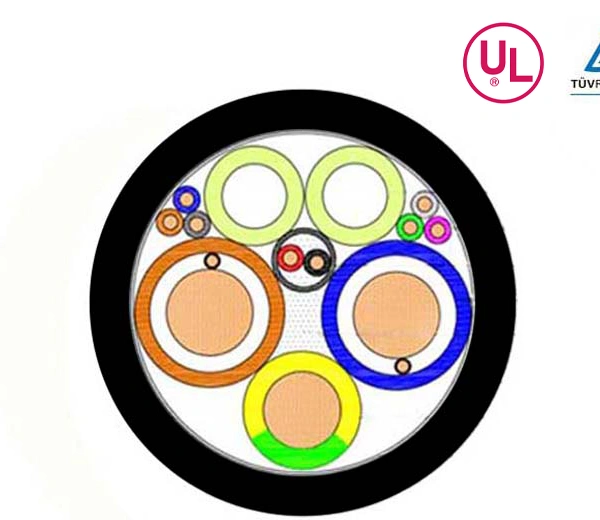 Read More
 -
More lightweight design|UL certified charging cable
December 13, 2024OMG'UL certified charging cables include conventional products and the new NACS series of off-standard nylon constructions, wi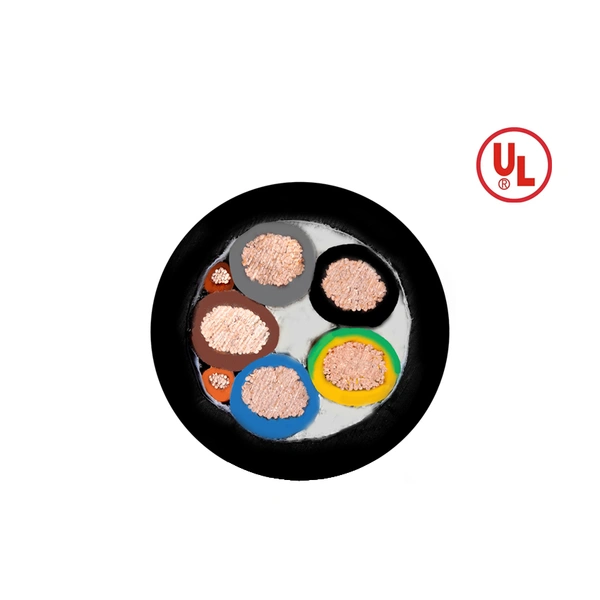 Read More
 -
Understanding the European Standard Charging Cable Designation
December 13, 2024Electric vehicle charging equipment needs to have industry standards for its safety and reliability to do constraints and guarante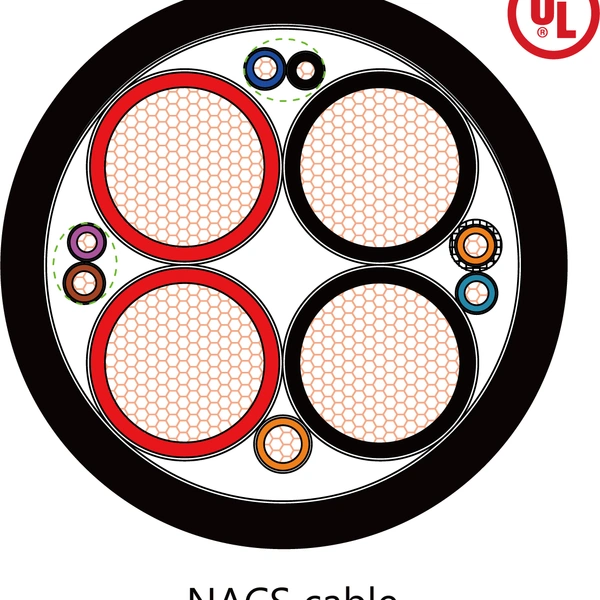 Read More
 -
What do we need to do to ensure charging safety when charging electric vehicles?
December 13, 2024The charging safety of electric vehicles has always been concerned by the market, the following is to focus on charging safety fro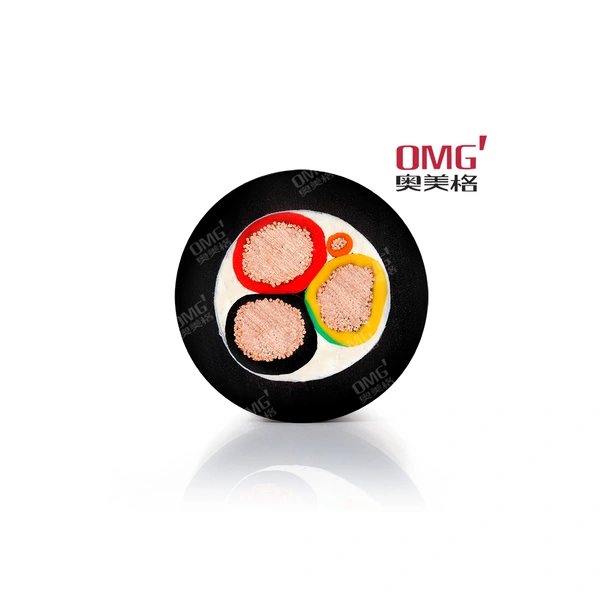 Read More

Contact Us
Recommended Products
-
 1500V DC Oil-cooled EV Charging Cable - IEC 62893-4-2 StandardNegotiableMOQ: 300 Meters
 -
Water-Cooled High Power Charging (HPC) Cable 700A 1500V DC for EV Fast ChargingNegotiableMOQ: 300 Meters
-
UL 2263 EV Charging Cable | Flexible TPE/PVC Electric Vehicle CableNegotiableMOQ: 300 Meters
-
IEC 62893 High Power 1500V DC EV Charging Cable for Fast ChargersNegotiableMOQ: 300 Meters
-
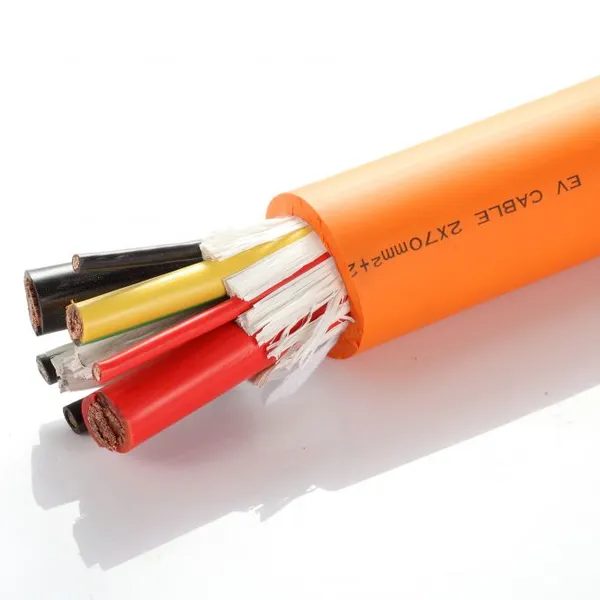
1500V DC EV Charging Cable - IEC 62893 Compliant | OMG EV CABLENegotiableMOQ: 300 Meters
-
OMG EV CABLE (IEC 62893) 450/750V AC Electric Vehicle Charging Cable (62893IEC121 62893IEC123)NegotiableMOQ: 300 Meters
-
OMG' EV Charging Cable 1000V EN 50620 H07BZ5-F for Electric Vehicle Charging ConnectorNegotiableMOQ: 300 Meters
-
EN 50620 EV Charging Cable 450/750V H07BZ5-F for Electric Vehicle Charging ConnectorNegotiableMOQ: 50 Meters
-
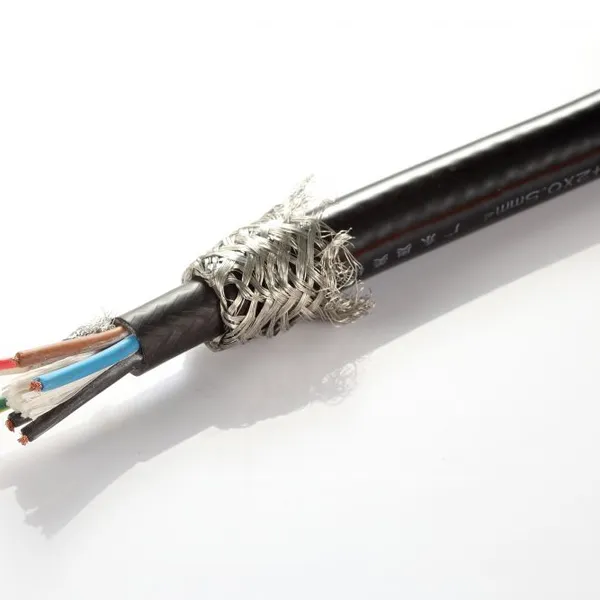
OMG ' Multi-Core Shielded EV High Voltage Cable for New Energy Vehicles XLPE InsulatedNegotiableMOQ: 300 Meters
-
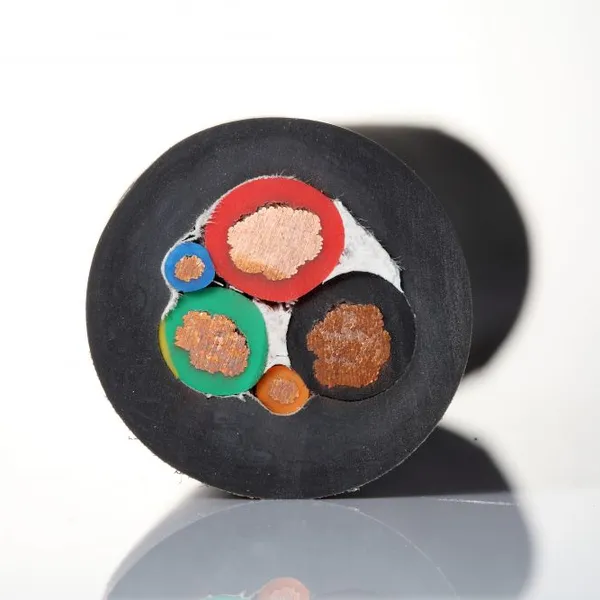
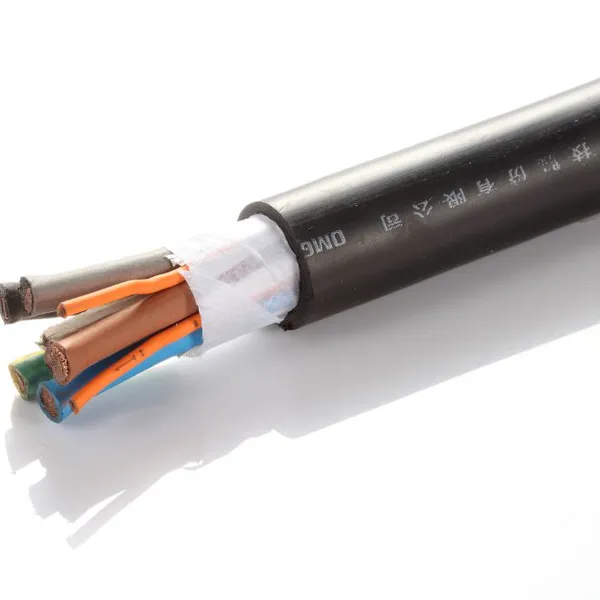
OMG EV High Voltage Cable UL758 XLPE Insulated Shielded Wire for Electric VehiclesNegotiableMOQ: 300 Meters
-
UL EV Charging Cable(Suitable for NACS、CCS1)NegotiableMOQ: 50 Meters
-
AC1500V HV Flexible CableNegotiableMOQ: 50 Meters
-
QC/T1073 Multi-core Shielded High-voltage CableNegotiableMOQ: 50 Meters
-
QC/T1073 EV High-voltage CableNegotiableMOQ: 50 Meters
-
Liquid-cooled HV CableNegotiableMOQ: 50 Meters